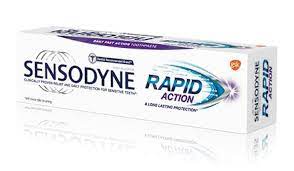
Sensodyne is a brand of toothpaste and mouthwash that is specifically made for people who suffer from tooth sensitivity. It is the leading toothpaste brand recommended by dentists for sensitive teeth. Sensodyne is also known for its active ingredient called potassium nitrate, which helps to relieve tooth sensitivity. In this article, we will look at the uses, benefits, side effects, and warnings of Sensodyne.
Uses
Sensodyne is used to relieve tooth sensitivity, which is caused by the exposure of the dentin layer of the tooth due to gum recession, tooth erosion, or tooth decay. The exposed dentin layer contains microscopic tubules that lead to the nerve endings in the teeth. When the tubules are exposed to hot, cold, sweet, or acidic substances, it can cause pain and discomfort.
Sensodyne works by blocking the tubules in the exposed dentin layer, which can reduce the sensitivity of the teeth. Sensodyne can also help to strengthen the enamel of the teeth, which can prevent further tooth decay.
Benefits
Sensodyne is an effective toothpaste that can provide relief from tooth sensitivity. Some of the benefits of using Sensodyne include:
1. Relieves tooth sensitivity – Sensodyne can help to block the tubules in the dentin layer of the teeth, which can reduce tooth sensitivity.
2. Strengthens enamel – Sensodyne can help to strengthen the enamel of the teeth, which can prevent further tooth decay.
3. Prevents cavities – Sensodyne contains fluoride, which can help to prevent cavities.
4. Freshens breath – Sensodyne contains ingredients that can help to freshen breath and reduce bad odors.
5. Improves oral health – Sensodyne can help to improve overall oral health by reducing tooth sensitivity and preventing tooth decay.
Side Effects
Sensodyne is generally safe to use, but it can cause some side effects. Some of the common side effects of Sensodyne include:
1. Sensitivity to some of the ingredients – Sensodyne contains ingredients that some people may be allergic to.
2. Stomach upset – In rare cases, Sensodyne can cause stomach upset.
3. Bleeding gums – Some people may experience bleeding gums when using Sensodyne. This is usually temporary and should go away in a few days.
4. Dry mouth – Some people may experience dry mouth when using Sensodyne. This is usually temporary and should go away in a few days.
5. Changes in taste – Some people may experience changes in taste when using Sensodyne. This is usually temporary and should go away in a few days.
Warnings
Sensodyne is generally safe to use, but there are some precautions that you should take:
1. Do not swallow – Sensodyne is not meant to be swallowed. If you accidentally swallow Sensodyne, seek medical attention immediately.
2. Do not use if allergic – If you are allergic to any of the ingredients in Sensodyne, do not use it.
3. Do not use for children under 12 years old – Sensodyne is not recommended for children under 12 years old without consulting a dentist.
4. Do not use for more than 4 weeks without consulting a dentist – If you have been using Sensodyne for more than 4 weeks and are still experiencing tooth sensitivity, consult a dentist.
5. Do not use if pain persists – If you experience severe pain or toothache, do not rely on Sensodyne alone. Consult a dentist immediately.
FAQs
Sensodyne can start working within a few days of use.
Yes, Sensodyne can be used every day as a regular toothpaste.
Yes, Sensodyne contains fluoride, which can help to prevent tooth decay.
Yes, Sensodyne is specially formulated for people with sensitive teeth.
Sensodyne is not recommended for children under 12 years old without consulting a dentist.