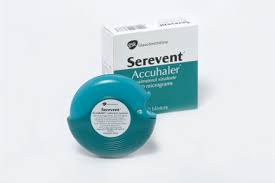
Serevent is a long-acting bronchodilator that is used to treat asthma, chronic obstructive pulmonary disease (COPD), and other breathing disorders. It contains the active ingredient salmeterol, which works by relaxing the muscles in the airways and making breathing easier. In this article, we will explore the uses, benefits, side effects, and warnings of Serevent.
Uses
Serevent is approved to treat asthma and COPD, two respiratory conditions that affect millions of people worldwide. It is used as a maintenance treatment to help prevent breathing difficulties and reduce the frequency and severity of asthma attacks. Serevent is not a rescue medication and should not be used to treat sudden asthma attacks. It is also not recommended for use in children under 12 years old.
Benefits
The main benefit of Serevent is that it helps to manage asthma and COPD symptoms, improving quality of life for those who suffer from these conditions. By keeping the airways open and reducing inflammation, Serevent can help prevent exacerbations and reduce the need for rescue medication. In addition, Serevent can help improve lung function and reduce the frequency and severity of asthma attacks.
Side Effects
Like all medications, Serevent can cause side effects. The most common side effects include:
– Headache
– Tremors
– Nervousness
– Dry mouth
– Throat irritation
– Insomnia
– Dizziness
Less common but more serious side effects may include:
– Increased heart rate
– Chest pain
– Irregular heartbeat
– High blood pressure
– Seizures
– Allergic reactions
If you experience any of these symptoms, you should seek medical attention immediately.
Warnings
There are several warnings associated with Serevent that patients should be aware of. Serevent should not be used as a rescue medication for sudden attacks, as it may take several hours to take effect. Patients should always have a fast-acting inhaler on hand in case of emergencies.
Serevent should not be used by patients with severe asthma or COPD symptoms, as it may worsen these conditions. It may also interact with other medications, including beta-blockers, and should not be used in combination with these drugs. Additionally, patients with heart conditions, diabetes, or thyroid problems should use Serevent with caution, as it may worsen these conditions.
FAQs
Serevent is used to treat asthma and COPD by relaxing the muscles in the airways and making breathing easier.
No, Serevent is not a rescue medication and should not be used to treat sudden asthma attacks. Patients should always have a fast-acting inhaler on hand for emergencies.
The most common side effects include headache, tremors, nervousness, and dry mouth.
Serevent is not recommended for use in children under 12 years old.
Yes, patients with severe asthma or COPD symptoms, heart conditions, diabetes, or thyroid problems should use Serevent with caution. It may interact with other medications, including beta-blockers.






