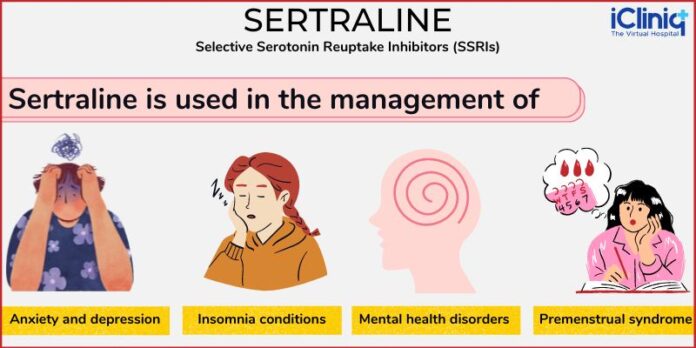
Sertraline is a prescription medication that is commonly used to treat depression, obsessive-compulsive disorder (OCD), panic disorder, post-traumatic stress disorder (PTSD), social anxiety disorder, and premenstrual dysphoric disorder (PMDD). It belongs to a class of drugs known as selective serotonin reuptake inhibitors (SSRIs), which work by increasing the amount of serotonin in the brain.
Uses
Sertraline is primarily used to treat various mental health conditions. It is effective in alleviating symptoms of depression, such as feelings of sadness, loss of interest in activities, changes in appetite, and sleep disturbances. For individuals with OCD, sertraline can help reduce unwanted thoughts and repetitive behaviors. It is also beneficial in managing panic attacks, controlling flashbacks in PTSD, easing social anxiety, and reducing the physical and emotional symptoms of PMDD.
Benefits
The use of sertraline can have several positive effects on individuals experiencing mental health disorders. Some benefits include:
- Improved mood: Sertraline helps regulate serotonin levels in the brain, leading to a more stable and positive mood.
- Reduced anxiety: By increasing serotonin, sertraline can help relieve anxiety symptoms, including excessive worry and nervousness.
- Enhanced quality of life: Treating mental health conditions with sertraline can significantly improve one’s overall well-being, allowing them to engage in daily activities with greater ease and satisfaction.
- Increased energy levels: Many individuals who take sertraline report feeling more energized and motivated to participate in activities they once found challenging or overwhelming.
- Improved sleep patterns: Sertraline can aid in regulating sleep, promoting better sleep quality and reducing insomnia symptoms.
Side Effects
While sertraline is generally well-tolerated, it may cause some side effects. The most common side effects include:
- Nausea or upset stomach
- Dizziness or lightheadedness
- Headache
- Insomnia or drowsiness
- Changes in appetite or weight
It is important to note that these side effects are usually mild and tend to subside as the body adjusts to the medication. However, if any of these side effects persist or worsen, it is recommended to consult a healthcare professional.
Warnings
While sertraline can provide significant benefits, there are certain precautions and warnings associated with its use:
- Suicidal thoughts: Like many antidepressants, sertraline may increase the risk of suicidal thoughts, particularly in children, adolescents, and young adults. Regular monitoring and close supervision are crucial during the initial stages of treatment.
- Allergic reactions: Some individuals may experience allergic reactions to sertraline. If any signs of an allergic reaction, such as rash, itching, swelling, or difficulty breathing occur, immediate medical attention should be sought.
- Interaction with other medications: Sertraline can interact with certain medications, including other antidepressants, blood thinners, and migraine medications. Informing healthcare providers about all current medications is essential to prevent potential drug interactions.
- Pregnancy and breastfeeding: The use of sertraline during pregnancy or while breastfeeding should be discussed with a healthcare professional, as it may pose certain risks to the unborn baby or nursing infant.
- Withdrawal symptoms: Abruptly discontinuing sertraline can lead to withdrawal symptoms. It is advisable to gradually reduce the dosage under medical supervision when discontinuing the medication.
FAQs
Yes, sertraline is commonly prescribed to treat anxiety disorders, including social anxiety disorder, panic disorder, and generalized anxiety disorder.
The effects of sertraline may start appearing within a few weeks of consistent use, although it can take up to 6-8 weeks to experience the full benefits of the medication.
Sertraline may be prescribed for children and adolescents, but close monitoring is necessary due to the potential risk of suicidal thoughts.
While some individuals may experience changes in appetite or weight while taking sertraline, weight gain is not a common side effect. If weight changes occur, they are usually minimal.
It is generally advised to avoid consuming alcohol while taking sertraline, as alcohol can worsen certain side effects and may reduce the effectiveness of the medication.