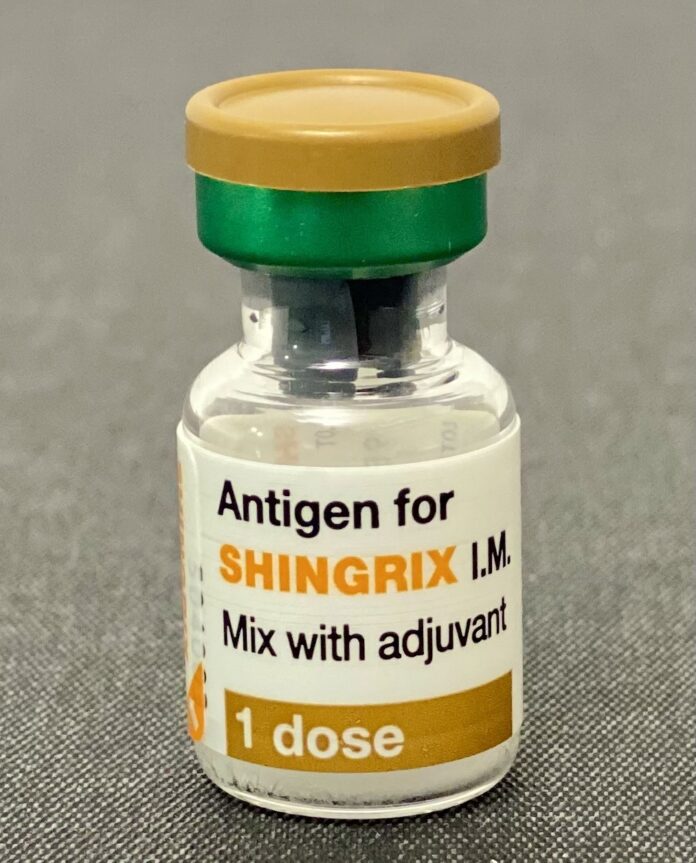
Shingrix is a prescription medication that is used to prevent herpes zoster, commonly known as shingles, in adults aged 50 years and older. Shingrix is a recombinant vaccine that helps boost the immune system to fight against the varicella-zoster virus, which is responsible for causing shingles.
Uses of Shingrix
Shingrix is primarily used for the prevention of shingles in individuals aged 50 years and older. Shingles is a viral infection that causes a painful rash, usually affecting one side of the body. The rash typically consists of fluid-filled blisters that can be extremely uncomfortable. Shingrix is highly effective in reducing the risk of developing shingles in adults.
Benefits of Shingrix
One of the main benefits of Shingrix is its high efficacy in preventing shingles. Clinical trials have shown that this vaccine significantly reduces the risk of developing shingles in adults by more than 90%. Moreover, Shingrix provides long-lasting protection, with studies suggesting that its effectiveness can persist for more than five years.
Additionally, Shingrix offers several other benefits, including:
- Reduces the severity and duration of shingles symptoms if it does occur
- Helps prevent postherpetic neuralgia (PHN), a common complication of shingles that causes persistent nerve pain
- Safe for individuals with compromised immune systems, such as those with HIV or undergoing chemotherapy
- Can be administered even if an individual has previously received the older shingles vaccine, Zostavax
- Minimal side effects compared to other vaccines
Side Effects of Shingrix
While Shingrix is generally safe and well-tolerated, like any medication, it may cause some side effects. These side effects are usually mild to moderate and tend to resolve on their own within a few days. Common side effects of Shingrix may include:
- Pain, swelling, or redness at the injection site
- Fatigue or tiredness
- Headache
- Muscle pain
- Chills
- Fever
It is important to note that serious side effects are extremely rare. However, if you experience any severe or persistent side effects after receiving the Shingrix vaccine, it is essential to seek medical attention promptly.
Warnings
Prior to receiving the Shingrix vaccine, it is crucial to inform your healthcare provider about any underlying medical conditions, allergies, or medications you are currently taking. This will help ensure the vaccine’s safety and effectiveness for you.
It is important to note the following warnings associated with the Shingrix vaccine:
- Shingrix is not recommended for individuals who are allergic to any of its components.
- If you have an acute illness or a fever, it is advisable to postpone getting the vaccine until you have recovered.
- If you are pregnant or breastfeeding, consult with your healthcare provider before receiving Shingrix.
- Individuals with a weakened immune system should discuss the risks and benefits of the vaccine with their healthcare provider.
Your healthcare provider will evaluate your medical history and determine whether the Shingrix vaccine is suitable for you based on your individual circumstances.
FAQs (Frequently Asked Questions)
Shingrix is highly effective in preventing shingles, with clinical trials showing that it reduces the risk by more than 90% in adults aged 50 years and older.
Yes, even if you have had shingles in the past, you can still receive the Shingrix vaccine. It can help prevent future shingles outbreaks and reduce the risk of complications.
Serious side effects with Shingrix are extremely rare. The most common side effects are typically mild to moderate and resolve on their own within a few days.
Studies indicate that the protection provided by Shingrix can last for more than five years. It is currently the recommended vaccine for long-term protection against shingles.
Shingrix can be administered to individuals with a weakened immune system, but it is important to discuss the risks and benefits with your healthcare provider to determine if it is suitable for you.