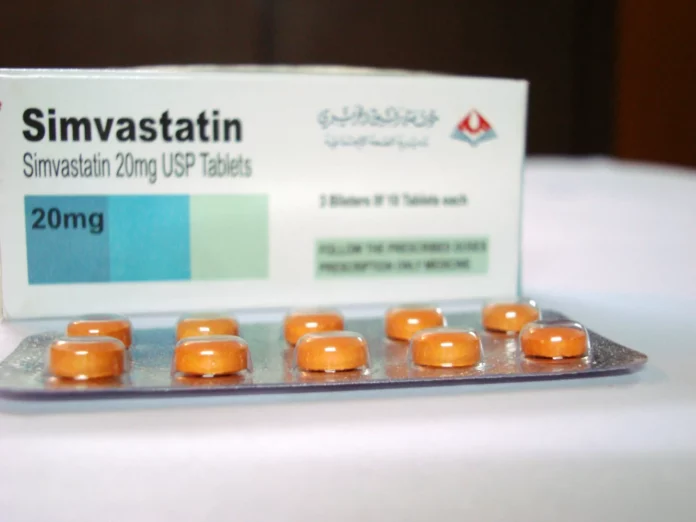
Simvastatin is a medication that is commonly used to lower cholesterol levels in the body. It belongs to a class of drugs known as statins, which are used to treat high cholesterol and reduce the risk of cardiovascular diseases. Simvastatin is only available with a prescription and is taken orally in the form of tablets.
Uses
Simvastatin is primarily used to lower the levels of “bad” cholesterol (low-density lipoprotein, or LDL) and triglycerides in the blood, while increasing the levels of “good” cholesterol (high-density lipoprotein, or HDL). By doing so, it helps to reduce the risk of heart disease, stroke, and other related conditions. Additionally, Simvastatin may also be prescribed to individuals with genetically inherited cholesterol disorders.
Benefits
The primary benefit of Simvastatin is its ability to significantly lower cholesterol levels, thereby reducing the risk of heart disease. By blocking an enzyme called HMG-CoA reductase, which is responsible for cholesterol production in the liver, Simvastatin helps to decrease the overall cholesterol levels in the body. This can lead to improved heart health, reduced risk of heart attacks, decreased occurrence of strokes, and a lower chance of needing heart-related procedures, such as surgeries or stent placements.
Side Effects
While Simvastatin is generally well-tolerated, it may cause some side effects in certain individuals. Common side effects include headaches, muscle pain, nausea, abdominal pain, constipation, diarrhea, and skin rash. These side effects are typically mild and temporary, and often subside as the body adjusts to the medication. However, in rare cases, Simvastatin may potentially lead to more serious side effects, such as liver problems, muscle damage (rhabdomyolysis), or kidney failure. If any unusual symptoms occur, it is important to seek medical attention promptly.
Warnings
Before starting Simvastatin, it is essential to inform your healthcare provider about any pre-existing medical conditions, allergies, or medications you may be taking. Simvastatin may interact with certain drugs, including some antibiotics, antifungals, and HIV medications, which could increase the risk of side effects or affect the medication’s effectiveness. Moreover, individuals with liver disease, kidney problems, or a history of muscle disorders should exercise caution while using Simvastatin, as it may exacerbate these conditions. Additionally, pregnant or breastfeeding women should avoid taking this medication due to potential risks to the fetus or infant.
FAQs
No, Simvastatin is not a cure for high cholesterol. It is used as a long-term treatment to manage high cholesterol levels and reduce the risk of cardiovascular diseases when combined with a healthy lifestyle, including a balanced diet and regular exercise.
It is essential to consult your doctor before discontinuing any medication. Even if your cholesterol levels are within the normal range, your doctor might advise you to continue Simvastatin to maintain the achieved levels and prevent any future complications.
The exact timeline varies for each individual, but it usually takes several weeks to months to see noticeable changes in cholesterol levels. However, the full benefits of Simvastatin may take up to six weeks to become evident.
Memory loss is an extremely rare side effect of Simvastatin. If you experience any cognitive issues while taking the medication, it is crucial to consult your healthcare provider for further evaluation and guidance.
Moderate alcohol consumption is generally considered safe while taking Simvastatin. However, it is advisable to consult your doctor regarding any potential interactions between Simvastatin and alcohol, especially if you have a history of liver problems.