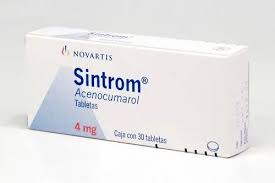
Sintrom is an anticoagulant medication that is used to prevent blood clots from forming in the body. It is specifically used to treat and prevent blood clots in the veins, which can lead to serious medical conditions such as deep vein thrombosis and pulmonary embolism. This article will explore the uses, benefits, side effects, and warnings of Sintrom.
Uses of Sintrom
Sintrom is primarily used to prevent blood clots from forming in the veins. It is often used in patients who have a history of blood clots or are at risk of developing them. Some of the conditions where Sintrom may be used include:
– Deep vein thrombosis
– Pulmonary embolism
– Stroke caused by blood clots
– Heart attack caused by blood clots
– Venous thromboembolism
– Atrial fibrillation
Sintrom works by preventing blood clots from forming by reducing the production of certain clotting factors in the blood.
Benefits of Sintrom
Sintrom is an effective medication for preventing blood clots. When taken as prescribed, it can significantly reduce the risk of serious medical conditions such as stroke, heart attack, and pulmonary embolism. In patients with atrial fibrillation, Sintrom can also reduce the risk of blood clots forming in the heart and getting lodged in the brain, which can lead to a stroke.
Side Effects of Sintrom
Like all medications, Sintrom can cause side effects in some patients. Some of the common side effects of Sintrom include:
– Bruising easily
– Nosebleeds
– Headaches
– Dizziness
– Nausea
– Vomiting
– Diarrhea
– Rash
In rare cases, Sintrom can cause serious side effects such as:
– Bleeding in the brain
– Bleeding in the stomach or intestines
– Allergic reactions
– Liver damage
If you experience any of these serious side effects, seek medical attention immediately.
Warnings of Sintrom
Sintrom should not be taken by patients who are allergic to it or who have active bleeding in the body. It should also be used with caution in patients who have:
– Liver disease
– Kidney disease
– High blood pressure
– Ulcers
– Diabetes
– Thyroid problems
Children and pregnant women should not take Sintrom, as it can cause birth defects. If you are pregnant or planning to become pregnant, talk to your doctor about alternative medications.
Sintrom can interact with other medications, including natural supplements and over-the-counter medications. Always inform your doctor of any other medications you are taking before starting Sintrom. Also, it is important to have regular blood tests to monitor the effectiveness of Sintrom and adjust the dosage if necessary.
FAQs
Sintrom can interact with other medications, including natural supplements and over-the-counter medications. Always inform your doctor of any other medications you are taking before starting Sintrom.
Some of the common side effects of Sintrom include bruising easily, nosebleeds, headaches, dizziness, nausea, vomiting, diarrhea, and rash.
No, Sintrom should not be taken by pregnant women, as it can cause birth defects. If you are pregnant or planning to become pregnant, talk to your doctor about alternative medications.
Sintrom works by preventing blood clots from forming by reducing the production of certain clotting factors in the blood.
Sintrom is primarily used to prevent blood clots from forming in the veins. It is often used in patients who have a history of blood clots or are at risk of developing them.