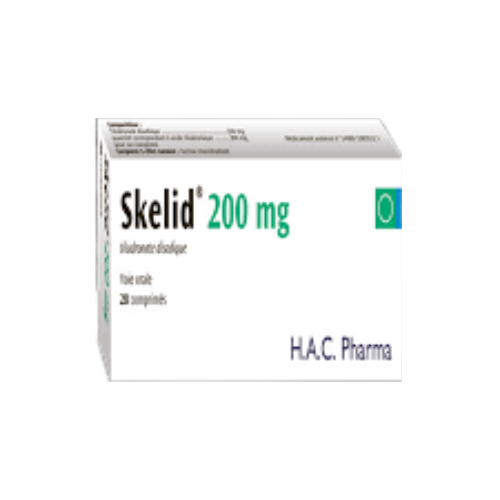
Skelid, the generic name for the medication tiludronate disodium, is a type of bisphosphonate drug that is commonly used to treat bone diseases such as osteoporosis and Paget’s disease. In this article, we will discuss the various uses, benefits, side effects, and warnings related to Skelid.
Uses
Skelid is most commonly used to treat diseases that weaken the bones and increase the risk of fractures. Osteoporosis, which is characterized by low bone density and weakened bones, is one of the most common bone diseases treated with Skelid. Skelid can also be used to slow down or prevent bone loss in individuals who are at increased risk of developing osteoporosis.
Paget’s disease is another condition that Skelid can effectively treat. This disease is characterized by the abnormal breakdown of bone tissue, resulting in brittle bones and easy fractures. Skelid works by preventing the abnormal breakdown of bone tissue, allowing the bones to regain their strength.
Benefits
The primary benefit of Skelid is that it can help to prevent bone loss and reduce the risk of fractures in individuals with osteoporosis or Paget’s disease. Skelid can also help to improve bone density and strength, which can lead to better overall bone health.
In addition, Skelid is relatively easy to take and generally well-tolerated by most individuals. Skelid is typically taken as a once-weekly tablet, making it a convenient treatment option for individuals who prefer not to take medication on a daily basis.
Side Effects
While Skelid is generally well-tolerated, there are some potential side effects that individuals should be aware of. Some of the most common side effects of Skelid include:
• Nausea
• Diarrhea
• Stomach pain
• Headache
• Dizziness
In rare cases, individuals may experience more serious side effects, such as:
• Chest pain
• Difficulty swallowing
• Jaw pain or numbness
• Severe bone, muscle, or joint pain
If any of these more serious side effects occur, individuals should seek medical attention immediately.
Warnings
There are several important warnings that individuals should be aware of before taking Skelid. For example, Skelid should not be taken by individuals who have a history of severe kidney problems. Skelid can also interact with other medications, so individuals should inform their healthcare provider of all medications they are taking before starting Skelid.
In addition, individuals should be aware of the potential risk of atypical fractures, which have been reported in some individuals taking bisphosphonate medications such as Skelid. Individuals who take Skelid should be aware of any signs of bone or joint pain, as this may be a symptom of an atypical fracture.
FAQs
No, Skelid is primarily used to treat osteoporosis and Paget’s disease. It has not been approved for use in the treatment of other bone diseases.
Skelid typically takes several months to start working. It is important to continue taking the medication as directed, even if no immediate improvement is noticed.
Skelid can interact with other medications, so individuals should inform their healthcare provider of all medications they are taking before starting Skelid.
Skelid is not recommended for use in pregnant or breastfeeding women, as the potential risks to the fetus or breastfeeding infant are not known.
Skelid is typically taken once a week, in the form of a tablet. It should be taken at the same time each week, to maintain consistent drug levels in the body.






