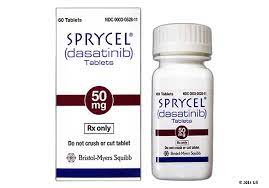
Sprycel (dasatinib) is an oral drug that is used in the treatment of chronic myeloid leukemia (CML) and Philadelphia chromosome-positive acute lymphoblastic leukemia (Ph+ALL). Sprycel belongs to a group of medicines called tyrosine kinase inhibitors (TKIs). TKIs are designed to block the activity of enzymes that promote the growth of cancer cells.
USES
Sprycel is primarily used in the treatment of adults who have been diagnosed with:
- Chronic myeloid leukemia in chronic phase (CML-CP)
- Chronic myeloid leukemia that has progressed to accelerated phase (CML-AP) or blast phase (CML-BP)
- Philadelphia chromosome-positive acute lymphoblastic leukemia (Ph+ALL)
BENEFITS
The primary benefit of Sprycel is that it can help to slow or stop the growth and spread of cancerous cells. By blocking the activity of certain enzymes, Sprycel can help to slow down the progression of CML and Ph+ALL. This can improve the quality of life for patients by reducing symptoms and allowing them to maintain their daily routines for longer periods of time.
SIDE EFFECTS
Like most medications, Sprycel can cause side effects. Some of the most common side effects associated with the use of Sprycel include:
- Headache
- Nausea and vomiting
- Diarrhea
- Fatigue
- Muscle pain
Some of the more serious side effects of Sprycel may include:
- Shortness of breath
- Swelling of the hands, feet, or face
- Chest pain
- Dizziness or lightheadedness
- Jaw pain
If you experience any of these side effects, it is important to seek medical attention immediately. Your doctor may be able to adjust your dosage or prescribe a different medication to help reduce these side effects.
WARNINGS
There are several warnings associated with the use of Sprycel. These include:
- Heart problems: Sprycel can cause decreased heart function or heart problems. Your doctor may monitor your heart function while you are taking this medication.
- Bleeding problems: Sprycel can increase your risk of bleeding. You should avoid activities that increase the risk of bleeding, such as contact sports or heavy lifting.
- Liver problems: Sprycel can cause liver problems. Your doctor may monitor your liver function while you are taking this medication.
- Pregnancy and breastfeeding: Sprycel may cause harm to an unborn baby. Women who are pregnant or planning to become pregnant should not take this medication. Women who are breastfeeding should also avoid taking Sprycel.
FAQs
Sprycel is primarily used in the treatment of chronic myeloid leukemia (CML) and Philadelphia chromosome-positive acute lymphoblastic leukemia (Ph+ALL).
Some of the most common side effects associated with the use of Sprycel include fatigue, nausea and vomiting, headache, diarrhea, muscle pain.
Yes, Sprycel can cause liver problems. Your doctor may monitor your liver function while you are taking this medication.
Women who are pregnant or planning to become pregnant should not take this medication. Women who are breastfeeding should also avoid taking Sprycel.
It is important to consult with your doctor before taking Sprycel with other medications. Some medication interactions can be dangerous.






 treats CML and Ph+ALL. Learn its uses, benefits, side effects, and warnings for safe and effective cancer treatment.)