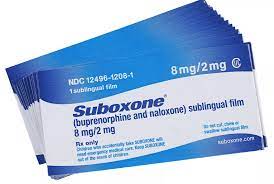
Suboxone Sublingual is a medication that is primarily used for the treatment of opioid dependence. It contains a combination of buprenorphine and naloxone, which work together to reduce withdrawal symptoms and cravings for opioids. This unique medication is taken by placing it under the tongue, allowing it to dissolve and be absorbed into the bloodstream. In this article, we will explore the uses, benefits, side effects, and warnings associated with Suboxone Sublingual.
Uses
Suboxone Sublingual is mainly prescribed for the management of opioid dependence. It is used as a part of a comprehensive treatment program that includes counseling, behavioral therapy, and support. The medication helps to suppress withdrawal symptoms, reduce opioid cravings, and prevent relapse in individuals who are addicted to opioids, such as heroin or prescription painkillers.
Benefits
The benefits of Suboxone Sublingual are numerous for individuals struggling with opioid dependence. The medication provides a safer alternative to opioids, as it is a partial opioid agonist. This means that it activates the opioid receptors in the brain, but to a lesser extent than full opioid agonists. As a result, Suboxone Sublingual can help manage withdrawal symptoms and cravings without producing the intense euphoria associated with other opioids. Additionally, the inclusion of naloxone in the medication helps deter misuse, as naloxone can precipitate withdrawal symptoms if the medication is injected.
Side Effects
While Suboxone Sublingual is generally well-tolerated, it can cause some side effects. Common side effects include headache, dizziness, drowsiness, constipation, nausea, sweating, and insomnia. These side effects are usually mild and temporary. However, if any of these side effects persist or worsen, it is important to consult a healthcare professional. Serious side effects are rare but can include severe allergic reactions, respiratory depression, liver problems, and adrenal insufficiency. It is crucial to seek immediate medical attention if any severe side effects occur.
Warnings
There are certain precautions and warnings associated with the use of Suboxone Sublingual. It is important to disclose any medical conditions, allergies, or medications being taken to the healthcare provider before starting this medication. Suboxone Sublingual should be used with caution in individuals with liver or kidney disease, respiratory conditions, or a history of substance abuse. Combining Suboxone Sublingual with certain medications or substances, such as benzodiazepines or alcohol, can increase the risk of respiratory depression and other serious complications. It is essential to follow the prescribed dosage and frequency to minimize the risk of adverse effects and overdose.
Conclusion
In conclusion, Suboxone Sublingual is a valuable medication used in the management of opioid dependence. It helps reduce withdrawal symptoms, cravings, and the risk of relapse. However, it is essential to use the medication under the guidance of a healthcare professional, as it can cause side effects and interact with other substances. By following the prescribed dosage and adhering to the treatment plan, individuals can increase their chances of successful recovery from opioid addiction.
Frequently Asked Questions (FAQs)
The effects of Suboxone Sublingual can last for up to 24 hours, but it can be detected in urine tests for a longer period, typically up to 7-10 days.
Suboxone Sublingual is generally not recommended during pregnancy unless the benefits outweigh the risks. It is important to consult with a healthcare professional for personalized advice.
Suboxone Sublingual can cause drowsiness and dizziness. It is advisable to avoid driving or operating machinery until you know how the medication affects you.
Abruptly stopping Suboxone Sublingual can lead to withdrawal symptoms. It is essential to work closely with a healthcare professional to develop a tapering schedule when discontinuing the medication.
While Suboxone Sublingual has a lower risk of addiction compared to full opioid agonists, it can still be habit-forming. It is crucial to take the medication as prescribed and follow the treatment plan outlined by the healthcare provider.