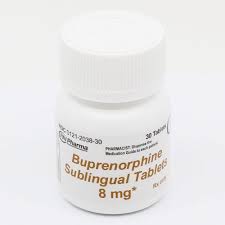
Subutex sublingual is a medication that is primarily used in the treatment of opioid addiction. It contains the active ingredient buprenorphine, which is a partial opioid agonist. This means that it acts on the same receptors in the brain as opioids, but with less intensity, helping to reduce withdrawal symptoms and cravings. Subutex is typically administered as a sublingual tablet, meaning it is placed under the tongue and allowed to dissolve.
Uses
Subutex is mainly used as a part of medication-assisted treatment (MAT) programs for individuals with opioid use disorder. It is an effective option for those seeking to overcome addiction to opioids such as heroin or prescription painkillers. The medication helps to stabilize individuals by reducing withdrawal symptoms, minimizing cravings, and blocking the effects of other opioids. Subutex is typically used in the early stages of treatment, allowing individuals to transition from illicit opioids to a medically supervised program.
Benefits
There are several benefits associated with the use of Subutex sublingual in the treatment of opioid addiction. One of the primary advantages is its ability to alleviate withdrawal symptoms, which can be extremely uncomfortable and often lead to relapse. By reducing these symptoms, Subutex helps individuals to better focus on their recovery and engage in therapy and counseling. Additionally, Subutex’s partial agonist properties make it less likely to be abused compared to full agonist opioids, reducing the risk of overdose.
Furthermore, Subutex’s long-lasting effects allow for once-daily dosing, providing convenience and minimizing the need for frequent visits to a treatment facility. This can greatly improve compliance and increase the likelihood of successful recovery. The sublingual route of administration also ensures efficient absorption and rapid onset of action.
Side Effects
While Subutex is generally well-tolerated, like any medication, it can cause certain side effects. Common side effects include constipation, headaches, nausea, sweating, and insomnia. These side effects are usually mild and tend to improve over time as the body adjusts to the medication. However, if these symptoms persist or worsen, it is important to consult a healthcare professional.
Less common but more severe side effects may include respiratory depression, allergic reactions, liver problems, and adrenal insufficiency. If any of these serious side effects occur, immediate medical attention is necessary. It is crucial to report any unusual or concerning symptoms to a healthcare provider to ensure the safe and effective use of Subutex.
Warnings
Subutex should only be used under the guidance and supervision of a qualified healthcare professional. It is essential to disclose any medical conditions, allergies, or medications being taken before starting Subutex treatment to avoid potential interactions or complications.
As Subutex contains buprenorphine, a partial opioid agonist, it is important to note that abruptly stopping the medication can lead to withdrawal symptoms. Therefore, the discontinuation of Subutex should be done gradually and as directed by a healthcare provider.
Additionally, Subutex has the potential for abuse and misuse. It should be stored securely, out of the reach of others, particularly individuals with a history of substance abuse.
FAQs
No, Subutex is not indicated for pain relief. It is specifically approved for the treatment of opioid addiction under a structured treatment program.
No, Subutex is not indicated for pain relief. It is specifically approved for the treatment of opioid addiction under a structured treatment program
Subutex can interact with certain medications, including other opioids, benzodiazepines, and certain antidepressants. It is crucial to inform a healthcare provider about all medications being taken to avoid potential interactions.
No, Subutex can only be prescribed by healthcare providers who have received certification to treat opioid addiction with approved medications.
The duration of Subutex treatment varies depending on individual circumstances and progress. It can range from a few months to several years. A healthcare provider will determine the appropriate duration based on the individual’s needs and treatment response.






 programs for individuals with opioid use disorder.)