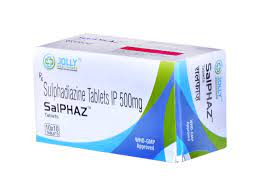
Sulfadiazine is a medication that belongs to the class of sulfonamide antibiotics. It is commonly used to treat various bacterial infections. This article will provide an in-depth look at the uses, benefits, side effects, and warnings associated with sulfadiazine.
Uses
Sulfadiazine is primarily used to treat urinary tract infections caused by susceptible strains of bacteria. It is also effective in treating other infections, such as respiratory tract infections, meningitis, and wound infections. Additionally, sulfadiazine may be prescribed to prevent infections after certain surgeries or in individuals with compromised immune systems.
Benefits
The main benefit of sulfadiazine is its ability to eliminate bacterial infections and alleviate associated symptoms. By inhibiting the growth and reproduction of bacteria, sulfadiazine helps the body’s immune system fight off the infection more effectively. It is a reliable and commonly prescribed antibiotic that has been used for decades.
Side Effects
Like any medication, sulfadiazine may cause side effects in some individuals. Common side effects include nausea, vomiting, diarrhea, and loss of appetite. These side effects are usually mild and resolve on their own. However, if they persist or become severe, it is important to consult a healthcare professional.
In rare cases, sulfadiazine may cause more serious side effects, such as allergic reactions. Symptoms of an allergic reaction may include rash, itching, swelling, severe dizziness, or difficulty breathing. If any of these symptoms occur, immediate medical attention should be sought.
Warnings
Before taking sulfadiazine, it is crucial to inform your healthcare provider about any existing medical conditions or allergies you may have. Sulfadiazine may interact with other medications or worsen certain conditions, so it is essential to disclose any relevant medical information.
It is important to follow the prescribed dosage and duration of sulfadiazine treatment. Taking more or less than recommended can lead to ineffective treatment or antibiotic resistance. If you miss a dose, take it as soon as you remember. However, if it is close to the time for your next dose, skip the missed dose and continue with your regular dosing schedule.
It is worth noting that sulfadiazine should not be used during pregnancy, particularly during the last trimester, as it may harm the unborn baby. It may also pass into breast milk, so it is important to consult with a healthcare professional before using sulfadiazine while breastfeeding.
conclusion
In conclusion, sulfadiazine is a valuable antibiotic used to treat various bacterial infections. While it may cause mild side effects, most individuals tolerate it well. It is important to follow the prescribed dosage, disclose any relevant medical information, and seek medical attention if severe side effects occur. Always consult with a healthcare professional before starting any new medication.
FAQs
No, sulfadiazine is only effective against bacterial infections and should not be used to treat viral infections, such as the common cold or flu.
It is generally recommended to avoid alcohol while taking sulfadiazine, as it may increase the risk of side effects and reduce the effectiveness of the medication.
The onset of action for sulfadiazine varies depending on the type and severity of the infection. In general, improvement in symptoms can be seen within a few days of starting treatment.
Sulfadiazine can be used in children, but the dosage and duration of treatment may vary based on their age and weight. It is important to follow the pediatrician’s instructions for proper use.
If you experience severe side effects, such as a severe allergic reaction or difficulty breathing, seek immediate medical attention or call emergency services.