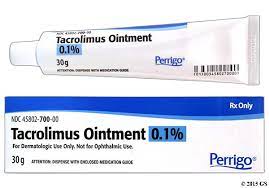
Tacrolimus is a medication that belongs to the category of immunosuppressants. It is commonly prescribed to patients who have undergone organ transplant surgeries to prevent rejection. Tacrolimus works by suppressing the immune system, reducing its ability to attack foreign cells or tissues.
Uses
Tacrolimus has a wide range of medical uses, including:
- Prevention of organ rejection: Tacrolimus is primarily used to prevent the rejection of transplanted organs, such as kidneys, heart, liver, lung, and pancreas. It helps the body accept the new organ by suppressing immune responses that may target the transplanted tissue.
- Treatment of autoimmune disorders: In some cases, Tacrolimus may be prescribed for the treatment of autoimmune disorders, such as rheumatoid arthritis, psoriasis, or ulcerative colitis. It can help control the overactive immune response that causes these conditions.
- Eczema: Tacrolimus ointment is often recommended for the treatment of moderate to severe eczema in individuals who have not responded well to other treatments.
Benefits
The use of Tacrolimus can offer several benefits to patients, including:
- Reduced risk of organ rejection: By suppressing the immune system’s response, Tacrolimus significantly reduces the chances of rejection in transplanted organs, which can ultimately extend the lifespan of the organ recipient.
- Alleviation of symptoms: For individuals with autoimmune disorders, such as rheumatoid arthritis or psoriasis, Tacrolimus can help alleviate symptoms such as joint pain, swelling, and skin inflammation, leading to an improved quality of life.
- Improved skin condition: Tacrolimus ointment plays a vital role in managing eczema symptoms. It helps reduce redness, itching, and inflammation, resulting in smoother and healthier skin.
Side Effects
Although Tacrolimus can be highly beneficial, it may cause some side effects. Common side effects may include:
- Increased susceptibility to infections
- Headache
- Tremors or shaking
- Nausea and vomiting
- Increase in blood pressure
- Increased risk of diabetes
It is crucial to consult a healthcare professional if any side effects persist or worsen over time.
Warnings
Before starting Tacrolimus treatment, it is essential to consider the following warnings:
- Pregnancy and breastfeeding: Tacrolimus should be used with caution during pregnancy or while breastfeeding, as it may have potential risks to the fetus or nursing baby. The benefits and risks should be discussed with a healthcare provider.
- Drug interactions: Tacrolimus may interact with certain medications, including antibiotics, antifungals, and antiviral drugs. It is crucial to inform the prescribing physician about all current medications to avoid potential drug interactions.
- Regular check-ups: Routine monitoring of Tacrolimus blood levels is necessary to ensure the drug stays within the therapeutic range. Follow-up appointments with healthcare professionals are crucial to assess the medication’s efficacy and minimize potential risks.
- Alcohol and grapefruit juice: Consumption of alcohol or grapefruit juice may affect the metabolism of Tacrolimus in the body. It is advisable to limit or avoid their intake to prevent unwanted interactions.
- Suppressed immune system: Tacrolimus significantly weakens the immune system, making individuals more susceptible to infections. It is essential to take necessary precautions to avoid exposure to contagious illnesses and maintain good hygiene practices.
FAQs
Tacrolimus may start working within a few days after starting the treatment. However, the individual response may vary, and it is essential to follow the prescribed regimen and consult a healthcare professional for specific guidance.
Tacrolimus can be prescribed to children under the supervision of a pediatrician, especially for the prevention of organ rejection in pediatric organ transplant recipients. The dosage and administration instructions may vary based on the child’s condition and age.
Tacrolimus ointment is generally safe for application on various body areas affected by eczema. However, it is advisable to consult a dermatologist for proper guidance on the application technique and the suitability of Tacrolimus for specific body parts.
There are various immunosuppressant medications available as alternatives to Tacrolimus for preventing organ rejection, including cyclosporine and mycophenolate mofetil. The choice of medication depends on several factors, including the type of organ transplanted and individual patient characteristics.
Tacrolimus is generally associated with minimal risk of skin thinning compared to other corticosteroid-based treatments. However, prolonged use of Tacrolimus ointment at high doses may result in thinning of the skin in some individuals. Regular consultation with a dermatologist is advised to monitor any potential side effects.