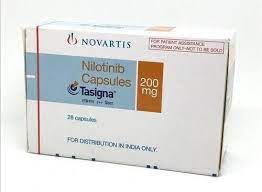
Tasigna, also known as nilotinib, is a prescription medicine that belongs to a class of drugs called tyrosine kinase inhibitors. It is primarily used to treat a type of cancer called Philadelphia chromosome-positive chronic myeloid leukemia (CML). This cancer occurs when there is a genetic mutation in white blood cells. Tasigna works by blocking the activity of the BCR-ABL protein that causes the mutation. In this article, we will look at the uses, benefits, side effects, and warnings of Tasigna.
Uses
Tasigna is used to treat chronic myeloid leukemia (CML) in adults and children over the age of one year old. It is used in people whose cancer has not responded to other treatments or who are unable to tolerate other treatments. Tasigna can also be used to treat a type of cancer called Philadelphia chromosome-positive acute lymphoblastic leukemia (Ph+ ALL) in adults who have not responded to other treatments.
Benefits
Tasigna has been shown to be effective in treating chronic myeloid leukemia. In clinical studies, patients who took Tasigna had a higher rate of complete cytogenetic response (CCR) than those who took imatinib, another drug used to treat CML. A CCR means that there is no detectable sign of the genetic mutation that causes CML. Tasigna has also been shown to prolong the time it takes for the cancer to progress, meaning that it can keep the cancer under control.
Side Effects
Like all drugs, Tasigna can cause side effects. Some common side effects include:
• Nausea
• Vomiting
• Diarrhea
• Headache
• Tiredness
• Rash
These side effects are usually mild and go away on their own after a few days. However, some people may experience more severe side effects, such as:
• High blood sugar levels
• Low blood potassium levels
• Abnormal liver function tests
• Hemorrhage
• Heart problems
If you experience any of these side effects, you should contact your doctor immediately.
Warnings
Tasigna carries some warnings that you should be aware of before taking it. These include:
• Tasigna can cause a decrease in the levels of blood cells in your body, including red blood cells, white blood cells, and platelets. This can increase your risk of infections, bleeding, and anemia.
• Tasigna can interact with other drugs, including over-the-counter medications and herbal supplements. You should tell your doctor about all the medications you are taking before starting Tasigna.
• Tasigna can cause serious heart problems, including an irregular heartbeat and sudden death. You should tell your doctor if you have a history of heart problems before starting Tasigna.
• Tasigna can cause a condition called pancreatitis, which is inflammation of the pancreas. Symptoms include fever, stomach pain, and nausea. If you experience these symptoms, you should contact your doctor immediately.
FAQs
Tasigna is usually taken twice a day, either with food or on an empty stomach. You should follow your doctor’s instructions when taking Tasigna.
Yes. Your doctor will monitor your blood cell levels and liver function while you are taking Tasigna. You may also need to have regular heart tests.
No. You should not drink alcohol while taking Tasigna, as it can increase your risk of liver problems.
While Tasigna can keep the cancer under control, it cannot cure chronic myeloid leukemia.
No. Tasigna can harm an unborn baby, and pregnant women should not take Tasigna. You should tell your doctor if you are pregnant or planning to become pregnant before starting Tasigna.
Conclusion
Tasigna is a prescription medicine used to treat chronic myeloid leukemia and Philadelphia chromosome-positive acute lymphoblastic leukemia. While it can be an effective treatment, it also carries some side effects and warnings that you should be aware of before taking it. If you experience any side effects or have any concerns about taking Tasigna, you should contact your doctor immediately.






 treats Philadelphia chromosome-positive chronic myeloid leukemia. Review its uses, dosing, side effects and QT warnings.)