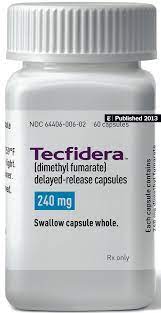
Tecfidera, commonly known as dimethyl fumarate, is an oral medication used to treat multiple sclerosis (MS). It acts as an immunomodulatory agent and is known to reduce the frequency and severity of relapses in patients with MS. Tecfidera is a popular choice among MS patients because of its ease of use and lower incidence of adverse events.
Uses
Tecfidera is approved for the treatment of relapsing-remitting multiple sclerosis (RRMS), which is the most common form of MS. RRMS is a chronic autoimmune disease that affects the central nervous system and causes inflammation and damage to the myelin sheath that surrounds nerve fibers in the brain and spinal cord. Tecfidera works by reducing the activity of immune cells that attack the myelin and promotes a more anti-inflammatory response.
Benefits
Tecfidera has been shown to reduce the frequency and severity of relapses in patients with RRMS. In clinical trials, Tecfidera reduced the annualized relapse rate by 49% compared to placebo. Additionally, MRI scans of patients on Tecfidera showed a decrease in the number and size of new brain and spinal cord lesions. Tecfidera is also more convenient for patients because it is taken orally, twice a day, and does not require any injections or infusions.
Side Effects
Like all medications, Tecfidera has potential side effects. The most common side effects reported by patients include flushing, gastrointestinal upset, and diarrhea. Other side effects may include abdominal pain, nausea, and vomiting, which typically resolve with continued use. In rare cases, Tecfidera can cause severe allergic reactions that require medical attention immediately. Patients taking Tecfidera should be closely monitored for signs of infection, as it can increase the risk of infection.
Warnings
Tecfidera is not recommended for patients with a history of allergic reactions to dimethyl fumarate or its ingredients. It is also not recommended for patients with severe liver disease, immunodeficiency, or lymphopenia. Patients should inform their healthcare provider about their current medications, as Tecfidera may interact with certain medications, including those used to treat infections and autoimmune diseases.
Tecfidera has been associated with a rare but serious brain infection called progressive multifocal leukoencephalopathy (PML). Patients taking Tecfidera should be closely monitored for signs and symptoms of PML, which include confusion, weakness, and difficulty walking or speaking. Patients who experience these symptoms should contact their healthcare provider immediately.
FAQs
No, Tecfidera does not cure MS. It is used to reduce the frequency and severity of relapses in patients with relapsing-remitting multiple sclerosis.
The effects of Tecfidera may vary from patient to patient. In clinical trials, Tecfidera showed a significant reduction in the annualized relapse rate after 2 years of treatment.
The safety and effectiveness of Tecfidera during pregnancy have not been established. It is not recommended for use during pregnancy or breastfeeding.
Patients should inform their healthcare provider about their current medications, as Tecfidera may interact with certain medications, including those used to treat infections and autoimmune diseases.
Tecfidera is taken orally, twice a day, with or without food. It is important to adhere to a regular dosing schedule and not skip doses.