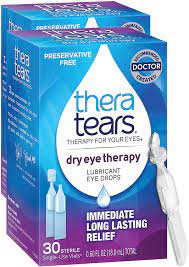
Theratears is a medication commonly used to relieve dry eyes and other symptoms associated with ocular surface diseases. This article aims to provide an overview of the uses, benefits, side effects, and warnings related to Theratears.
Uses
Theratears is primarily used for the treatment of dry eyes, a condition characterized by insufficient tear production or poor tear quality. Dry eyes can cause discomfort, redness, stinging, and blurry vision. Theratears helps alleviate these symptoms by providing lubrication to the eyes, thereby promoting tear production and relieving dryness.
In addition to dry eyes, Theratears may also be prescribed for individuals with ocular surface diseases such as meibomian gland dysfunction, blepharitis, and conjunctivitis. These conditions can disrupt the normal functioning of the tear film, leading to dryness and irritation.
Benefits
There are several benefits associated with the use of Theratears. Firstly, it provides long-lasting relief from dry eyes, allowing individuals to go about their daily activities without discomfort or pain. Secondly, Theratears helps improve visual acuity by reducing blurred vision caused by dryness. Moreover, this medication is preservative-free, making it suitable for individuals with sensitive eyes who may experience irritation from other eye drops containing preservatives.
Theratears also helps maintain the health of the ocular surface by protecting the eyes from further damage. By providing adequate lubrication, it prevents corneal abrasions and other complications that may arise from dryness. Additionally, Theratears can be used alongside contact lenses, providing relief for individuals who experience dryness and discomfort while wearing them.
Side Effects
While Theratears is generally well-tolerated, some individuals may experience mild side effects. These can include temporary stinging or burning sensations upon application. In rare cases, Theratears may cause an allergic reaction characterized by redness, itching, or swelling of the eyes or surrounding areas. If any severe or persistent side effects occur, it is important to seek medical attention immediately.
Warnings
Before using Theratears, it is essential to consult with a healthcare professional, especially if you have any pre-existing medical conditions or are taking other medications. Individuals with a known allergy to any of the ingredients in Theratears should avoid its use. It is important to follow the recommended dosage and application instructions provided by your healthcare provider or as indicated on the packaging. If symptoms worsen or persist despite using Theratears, a healthcare professional should be consulted for further evaluation.
FAQs
Yes, Theratears can be used while wearing contact lenses. It provides relief from dryness and discomfort associated with contact lens wear.
The frequency of application may vary depending on the severity of dryness. It is recommended to follow the instructions provided by your healthcare provider or as indicated on the packaging.
Yes, Theratears is preservative-free, making it suitable for individuals with sensitive eyes who may experience irritation from other eye drops containing preservatives.
Theratears can be used by children, but it is important to consult with a healthcare professional before administering it to younger individuals.
Yes, Theratears is available over the counter. However, it is advisable to consult with a healthcare professional to ensure the appropriateness of its use for your specific condition.