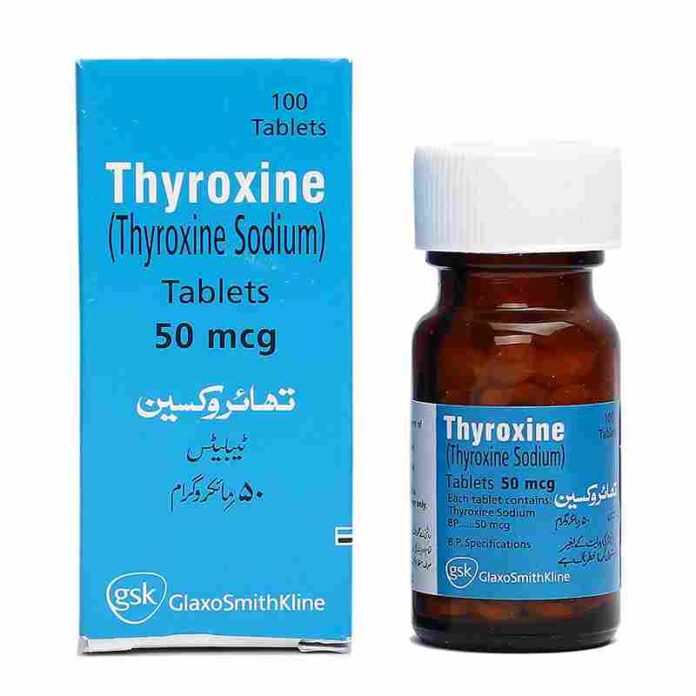
Uses
Thyroxine is a medication used to treat an underactive thyroid (hypothyroidism). It is a synthetic form of the thyroid hormone thyroxine. Thyroxine helps regulate energy levels and metabolism in the body.
Benefits
The primary benefit of thyroxine is to restore normal thyroid hormone levels in individuals with hypothyroidism. This medication can help alleviate symptoms such as fatigue, weight gain, dry skin, and constipation. By increasing thyroid hormone levels, thyroxine can also improve mood, concentration, and overall well-being.
Side Effects
Like any medication, thyroxine may cause side effects in some individuals. Common side effects include headache, tremors, nervousness, and irritability. It is important to note that these side effects are often temporary and diminish as the body adjusts to the medication. However, if these side effects persist or worsen, it is essential to seek medical advice.
In rare cases, thyroxine may cause more severe side effects. These can include chest pain, rapid or irregular heartbeat, shortness of breath, and allergic reactions such as rash or hives. If experiencing any of these symptoms, immediate medical attention should be sought.
Warnings
Prior to taking thyroxine, it is crucial to inform your healthcare provider about any existing medical conditions, current medications, or allergies. Thyroxine may interact with certain medications, such as blood thinners, antidepressants, and diabetes medications.
Thyroxine should not be used as a weight-loss aid or for the treatment of obesity. It is important to follow the prescribed dosage and adhere to regular follow-up appointments with your doctor to monitor thyroid hormone levels.
If you are pregnant or planning to become pregnant, it is crucial to consult with your healthcare provider. Adjustments to thyroxine dosage may be necessary during pregnancy. Thyroxine can also pass into breast milk, so caution is advised if breastfeeding.
FAQs
No, thyroxine is typically a lifelong medication for individuals with hypothyroidism. It is important to continue taking it as prescribed by your healthcare provider.
Thyroxine may take a few weeks to show noticeable improvements in symptoms. It is important to be patient and consistent with your medication.
Thyroxine may interact with certain medications, so it is important to inform your healthcare provider about all the medications you are currently taking.
While there are no specific dietary restrictions, it is generally recommended to take thyroxine on an empty stomach at least 30 minutes to an hour before breakfast or other medications.
No, any adjustments to thyroxine dosage should be made by your healthcare provider based on your thyroid hormone levels and symptoms.