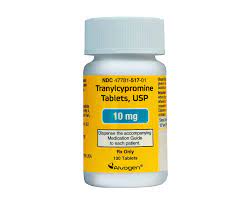
Tranylcypromine is a medication primarily used to treat depression. It belongs to a class of drugs called monoamine oxidase inhibitors (MAOIs) and is often prescribed when other antidepressant medications have not been effective. This article will explore the uses, benefits, side effects, and warnings associated with tranylcypromine.
Uses
Tranylcypromine is primarily used to treat major depressive disorder (MDD). It is particularly effective for patients who have not responded to other antidepressant medications or have experienced intolerable side effects from these drugs. Tranylcypromine works by increasing the levels of certain chemicals in the brain, such as serotonin, norepinephrine, and dopamine, which are involved in regulating mood.
Benefits
The main benefit of tranylcypromine is its ability to alleviate the symptoms of depression. It can help improve mood, increase energy levels, and restore interest in daily activities. Tranylcypromine is also known for its rapid onset of action, often providing relief within a few weeks of starting treatment. Additionally, some patients may find that tranylcypromine has a positive effect on anxiety and social phobia.
Side Effects
Like any medication, tranylcypromine can cause side effects. While many people tolerate it well, some individuals may experience adverse reactions. Common side effects include:
- Dizziness
- Drowsiness
- Insomnia
- Headache
- Dry mouth
- Blurred vision
These side effects are often mild and tend to improve as the body adjusts to the medication. However, if they persist or worsen, it is important to consult a healthcare professional. In rare cases, tranylcypromine can cause more serious side effects, such as hypertension, chest pain, rapid heartbeat, or severe headache. If any of these symptoms occur, immediate medical attention should be sought.
Warnings
There are several important warnings associated with the use of tranylcypromine:
- Interaction with other medications: Tranylcypromine can interact with a wide range of medications, including certain antidepressants, stimulants, and over-the-counter cold and flu remedies. These interactions can lead to a potentially life-threatening condition called serotonin syndrome. It is crucial to inform healthcare professionals about all medications, supplements, and herbal remedies being taken before starting tranylcypromine.
- Dietary restrictions: Tranylcypromine interacts with foods rich in tyramine, a substance found in aged cheeses, cured meats, fermented products, and some alcoholic beverages. Consuming these foods while taking tranylcypromine can also lead to serotonin syndrome. Patients prescribed tranylcypromine should receive detailed dietary guidelines from their healthcare provider.
- Medical conditions: Tranylcypromine should be used with caution in patients with a history of cardiovascular disease, liver disease, or seizures. It may worsen these conditions or interact with other medications used to treat them.
- Pregnancy and breastfeeding: The safety of tranylcypromine during pregnancy and breastfeeding has not been established. It should only be used if the potential benefits outweigh the potential risks.
- Withdrawal symptoms: Tranylcypromine should not be abruptly discontinued as it may cause withdrawal symptoms, including fatigue, irritability, and mood swings. The dose should be gradually tapered under medical supervision.
Frequently Asked Questions (FAQs)
While tranylcypromine is primarily indicated for depression, it may also have a positive effect on anxiety and social phobia. However, its use for anxiety disorders should be discussed with a healthcare professional.
Tranylcypromine is known for its rapid onset of action, and many patients experience relief within a few weeks of starting treatment. However, individual responses may vary.
No, alcohol should be avoided while taking tranylcypromine. Alcohol can increase the risk of side effects and may interact with the medication, potentially leading to dangerous consequences.
Yes, tranylcypromine interacts with foods rich in tyramine, such as aged cheeses, cured meats, fermented products, and certain alcoholic beverages. These should be avoided to prevent potential interactions.
Tranylcypromine is generally not recommended for use in individuals under the age of 18, as its safety and efficacy in this population have not been established. It is important to consult a healthcare professional for appropriate treatment options for children and adolescents with depression.






