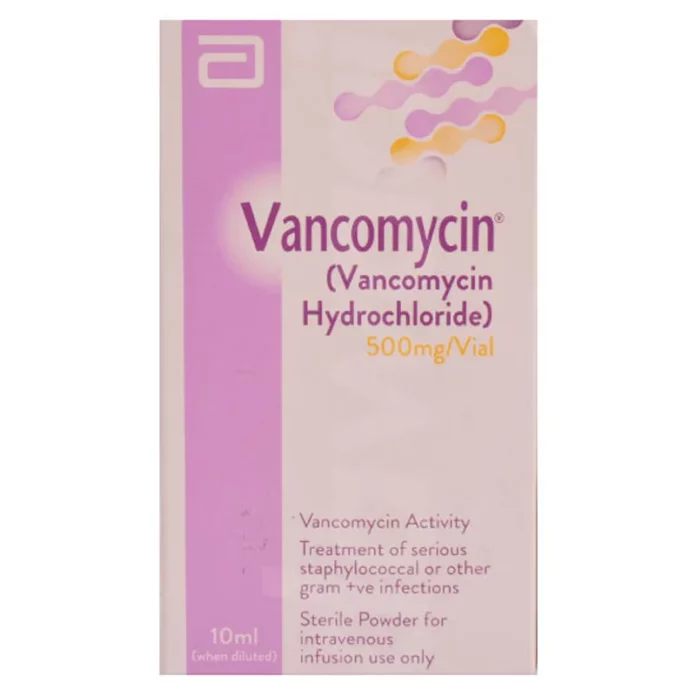
Vancomycin: Uses – Side Effects – Warnings
Vancomycin is a powerful antibiotic medication that is used to treat various bacterial infections. It is commonly prescribed for serious infections that are resistant to other antibiotics. Vancomycin works by killing or stopping the growth of bacteria that cause these infections. However, it is important to understand the uses, benefits, side effects, and warnings associated with this medication before starting treatment.
Uses
Vancomycin is primarily used to treat infections caused by methicillin-resistant Staphylococcus aureus (MRSA) and other gram-positive bacteria. It is commonly prescribed for skin and soft tissue infections, bone infections, complicated urinary tract infections, bloodstream infections, and endocarditis. Vancomycin is administered intravenously and typically reserved for serious or life-threatening infections.
Benefits
The benefits of using vancomycin are significant, especially in cases where other antibiotics have proven ineffective. It is one of the few medications that can effectively treat MRSA infections, which are resistant to many other antibiotics. Vancomycin is also considered safe for pregnant women, making it a viable option for treating infections during pregnancy.
Side Effects
While vancomycin is generally well-tolerated, it is not without potential side effects. The most common side effects include pain, redness, or swelling at the injection site. Other side effects may include nausea, vomiting, diarrhea, dizziness, headache, or rash. Severe side effects are rare but can include allergic reactions, kidney damage, and hearing loss. It is important to seek medical attention if any severe side effects occur.
Warnings
There are certain precautions and warnings to consider before taking vancomycin. It is crucial to inform your healthcare provider if you have any allergies, especially to antibiotics or vancomycin itself. Additionally, it is important to provide a detailed medical history, including any kidney disease, hearing problems, or gastrointestinal issues. Vancomycin can interact with certain medications, so it is essential to inform your healthcare provider about all the medications you are taking, including over-the-counter and herbal supplements.
Patients should take vancomycin exactly as prescribed by their healthcare provider, as improper use or overuse can contribute to antibiotic resistance. It is important to complete the full course of treatment, even if symptoms improve before the medication is finished. If a dose is missed, it should be taken as soon as possible, unless it is almost time for the next dose.
FAQs
No, vancomycin is only effective against bacterial infections and cannot be used to treat viral infections such as the common cold or flu.
Vancomycin is generally considered safe for use during pregnancy. However, it is essential to consult with your healthcare provider before starting any medication.
Yes, like any medication, vancomycin can cause allergic reactions. If you experience symptoms such as rash, itching, swelling, or difficulty breathing, seek immediate medical attention.
Vancomycin can interact with certain medications, so it is crucial to inform your healthcare provider about all the medications you are taking before starting treatment.
The duration of vancomycin treatment depends on the type and severity of the infection. Your healthcare provider will determine the appropriate length of treatment for your specific condition.






 and other gram-positive bacteria.)