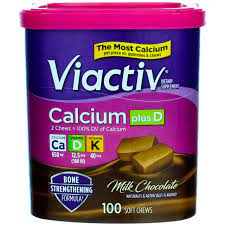
Viactiv is a popular over-the-counter medication that is used to treat various health conditions. It is important to understand its uses, benefits, side effects, and warnings before incorporating it into your healthcare routine. This article aims to provide comprehensive information about Viactiv to help you make an informed decision regarding its usage.
Uses
Viactiv is primarily used to alleviate symptoms associated with calcium deficiency, including weak bones (osteoporosis) and low calcium levels in the blood (hypocalcemia). It is also prescribed to individuals requiring additional calcium and vitamin D supplementation, such as pregnant women and those suffering from malabsorption disorders.
Benefits
Viactiv offers numerous benefits for individuals with calcium deficiency. It aids in maintaining strong bones and teeth, thereby reducing the risk of fractures and dental problems. Additionally, Viactiv helps regulate muscle function, nerve transmission, and blood clotting. It also contributes to a healthy heart rhythm and supports overall immune system function.
Side Effects
While Viactiv is generally well-tolerated, some individuals may experience mild side effects. These can include constipation, bloating, gas, or an upset stomach. If these symptoms persist or worsen, it is advisable to consult a healthcare professional for further guidance.
Severe side effects are rare, but can occur in individuals with an allergic reaction to Viactiv. If you experience symptoms such as rash, itching, swelling, severe dizziness, or trouble breathing, seek immediate medical attention.
Warnings
Before using Viactiv, it is important to consider the following warnings:
- Inform your healthcare provider of any underlying medical conditions, allergies, or ongoing medications you are taking to ensure Viactiv is safe for you.
- Viactiv should not be used as a substitute for a balanced diet. It is essential to consume a variety of calcium-rich foods alongside supplementation.
- Avoid taking Viactiv with products containing high levels of magnesium, as it may interfere with calcium absorption.
- If you are pregnant or breastfeeding, consult a healthcare professional before incorporating Viactiv into your routine.
- Keep Viactiv out of reach of children, as excessive consumption can lead to serious health complications.
conclusion
In conclusion, Viactiv is a beneficial supplement for individuals with calcium deficiency, aiding in maintaining healthy bones, teeth, and overall bodily functions. Despite its generally mild side effects, it is crucial to adhere to the recommended dosage and consider any warnings associated with its usage. Always consult a healthcare professional for personalized advice regarding your specific health needs.
Frequently Asked Questions (FAQs)
Yes, Viactiv is suitable for individuals with lactose intolerance, as it is lactose-free.
The frequency of Viactiv consumption depends on your individual needs and the recommendation of your healthcare provider. Follow the instructions on the packaging or consult your healthcare professional for guidance.
Prior to taking Viactiv alongside other medications, it is essential to consult your healthcare provider to ensure there are no potential interactions.
Viactiv is generally safe for individuals of all ages. However, it is advisable to consult a healthcare professional before administering it to children or the elderly.
No, Viactiv is not intended for weight loss purposes. It is solely meant to supplement and support calcium and vitamin D intake.