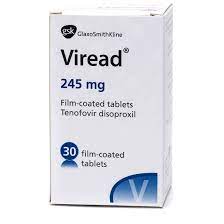
Viread is a prescription medication used to treat HIV, HBV, and HIV/HBV co-infection. It is manufactured by Gilead Sciences and was approved by the US Food and Drug Administration (FDA) in 2001. This article will explore the uses, benefits, side effects, and warnings of Viread.
Uses
Viread is an antiviral medication that works by blocking the reverse transcriptase enzyme, which is essential for the replication of HIV and HBV. Viread is used to treat HIV infection, HBV infection, and HIV/HBV co-infection. It is also used in combination with other antiretroviral medications to manage HIV infection.
Benefits
The primary benefit of Viread is that it helps to control the replication of HIV and HBV, reducing the risk of complications and improving overall health. According to the World Health Organization, antiretroviral therapy, which includes medications like Viread, has dramatically reduced the number of HIV-related deaths worldwide.
Side Effects
As with any medication, Viread can cause side effects. The most common side effects of Viread include:
– Nausea
– Vomiting
– Diarrhea
– Gas
– Headache
– Dizziness
– Weakness
– Body aches
– Skin rash
– Changes in fat distribution
– Kidney problems
In some cases, Viread may cause severe side effects, including:
– Lactic acidosis (buildup of lactic acid in the blood)
– Liver problems
– Severe skin rash
– Bone and muscle problems
If you experience any of these side effects, seek medical attention immediately.
Warnings
Before taking Viread, it’s important to inform your healthcare provider about any medical conditions you have, including kidney problems, liver problems, or bone problems, as these may affect your ability to take the medication safely. It’s also important to inform your healthcare provider about any medications you’re taking, as Viread may interact with other medications.
Women who are pregnant or breastfeeding should talk to their healthcare provider before taking Viread, as the medication may pose risks to the developing fetus or infant.
FAQs
No, Viread cannot cure HIV or HBV. It can only help to manage the virus and reduce the risk of complications.
Viread is taken orally, usually once per day, with or without food.
If you miss a dose of Viread, take it as soon as you remember. If it’s almost time for your next dose, skip the missed dose and continue with your regular dosing schedule.
Yes, Viread can interact with other medications. Before taking Viread, inform your healthcare provider about any medications you’re taking.
If you experience any side effects from Viread, seek medical attention immediately. Your healthcare provider may adjust your dosage or switch you to a different medication if necessary.