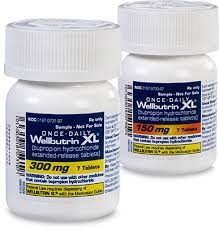
Wellbutrin is a well-known prescription medication that is primarily used to treat major depressive disorder and seasonal affective disorder (SAD). It is also prescribed as part of a comprehensive smoking cessation program. This article aims to provide a detailed understanding of the uses, benefits, side effects, and warnings associated with Wellbutrin.
Uses
1. Major Depressive Disorder: Wellbutrin is commonly prescribed to individuals diagnosed with major depressive disorder, a mental health condition characterized by persistent feelings of sadness, loss of interest, and a general lack of motivation. Wellbutrin helps to restore the balance of certain chemicals in the brain that are responsible for regulating mood.
2. Seasonal Affective Disorder (SAD): SAD is a type of depression that occurs during specific seasons, typically during the winter months when sunlight is limited. Wellbutrin can help alleviate the symptoms of SAD by increasing the levels of certain neurotransmitters in the brain that regulate mood and energy levels.
3. Smoking Cessation: Wellbutrin has been found to be effective in aiding smoking cessation efforts by reducing nicotine withdrawal symptoms and decreasing the urge to smoke. It works by altering the brain’s reward system, making the experience of smoking less pleasurable.
Benefits
The benefits of Wellbutrin extend beyond treating the aforementioned conditions:
1. Fewer Sexual Side Effects: Compared to other antidepressants, Wellbutrin is associated with a lower risk of sexual side effects such as decreased libido and difficulty achieving orgasm. This can be particularly beneficial for individuals who have struggled with these side effects while taking other medications.
2. Weight Loss: Wellbutrin has been known to assist with weight loss in certain individuals. While it should not be used solely for weight loss purposes, it may be prescribed to individuals who are overweight and also struggling with depression or other conditions that Wellbutrin is known to treat.
Side Effects
As with any medication, Wellbutrin comes with the possibility of side effects. While not everyone will experience these side effects, it is important to be aware of them:
1. Common Side Effects: These include dry mouth, headache, nausea, increased sweating, and insomnia. These side effects are generally mild and tend to subside over time as the body adjusts to the medication.
2. Allergic Reactions: Although rare, some individuals may experience allergic reactions to Wellbutrin. Symptoms may include rash, itching, swelling, severe dizziness, or trouble breathing. If any of these symptoms occur, immediate medical attention should be sought.
Warnings
It is important to take certain precautions while using Wellbutrin:
1. Suicidal Thoughts: Wellbutrin may increase the risk of suicidal thoughts, especially in individuals under the age of 25. It is crucial to monitor any changes in mood or behavior while taking this medication and report them to a healthcare professional immediately.
2. Seizures: Wellbutrin can increase the risk of seizures, particularly among individuals with a history of seizures, eating disorders, or those at risk of sudden withdrawal from alcohol or sedatives. It is important to inform your healthcare provider of any relevant medical history before starting Wellbutrin.
Disclaimer: This article is for informational purposes only and should not be considered a substitute for professional medical advice or diagnosis. Always consult with a qualified healthcare professional before starting any medication.
FAQs
It is generally recommended to avoid excessive alcohol consumption while taking Wellbutrin, as alcohol can increase the risk of seizures and enhance the side effects of the medication.
The full effects of Wellbutrin may not be noticeable for several weeks, as the medication needs time to build up in your system. It is important to follow the prescribed dosage and continue taking it as directed by your healthcare provider.
No, it is not recommended to abruptly stop taking Wellbutrin. Suddenly discontinuing the medication can cause withdrawal symptoms and potential adverse effects. It is important to gradually reduce the dosage under the guidance of a healthcare professional.
No, Wellbutrin is not considered addictive. Unlike certain other medications used to treat depression or anxiety, Wellbutrin does not cause dependence or withdrawal symptoms when discontinued. However, it is important to follow the prescribed dosage and refrain from exceeding it.
The use of Wellbutrin during pregnancy should be discussed with a healthcare provider. While the potential risks are still being studied, it is generally recommended to weigh the benefits against potential risks before deciding to use Wellbutrin during pregnancy.