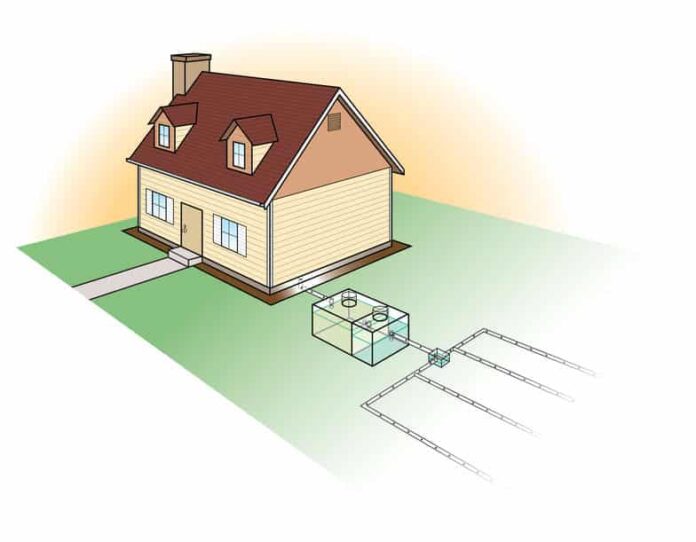
If you have a septic system, you’ve probably heard about the importance of the leach field. But what is a leach field, and how does it fit into your home’s wastewater treatment process? The leach field, also known as a drain field or septic field, is a critical component of a septic system. It plays a vital role in safely treating and disposing of the liquid waste from your home. In this article, we’ll break down what is a leach field, how it works, and why it’s crucial to maintain it properly.
What Is a Leach Field?
A septic leach field is an underground area that is used to filter and disperse the liquid waste that leaves your septic tank. After solids are separated in the septic tank, the remaining effluent (liquid waste) is funneled into the leach field. Here, the wastewater is naturally filtered by soil and gravel before it reenters the environment.
The design of a leach field is simple but effective. It consists of a series of perforated pipes buried in trenches filled with gravel or sand. As wastewater flows through the pipes, it slowly seeps into the surrounding soil. This natural filtration process removes harmful bacteria, viruses, and other contaminants from the effluent before it reaches the groundwater.
Without a properly functioning septic leach field, your septic system cannot adequately treat the wastewater from your home. This can lead to serious health and environmental risks, such as groundwater contamination or sewage backup. Understanding what is a leach field and how it works is key to maintaining your entire septic system.
How Does a Septic Leach Field Work?
A septic leach field operates as the final stage in your home’s septic system, handling the treatment of liquid waste after the solids have settled in the septic tank. Here’s a step-by-step explanation of how a leach field works:
1. Wastewater Enters the Septic Tank
When you flush your toilet, run the sink, or use your washing machine, wastewater flows into your septic tank. Inside the tank, solids sink to the bottom, forming a sludge layer, while oils and grease float to the top to form scum. The middle layer of liquid, known as effluent, is what gets sent to the leach field for further treatment.
2. Effluent Flows to the Leach Field
Once the effluent is separated from the solid waste, it moves through an outlet pipe to the distribution box or directly into the perforated pipes in the leach field. The pipes are buried underground in trenches, usually filled with gravel or sand, which help disperse the wastewater evenly.
3. Wastewater Is Filtered by Soil
As the effluent seeps through the perforated pipes, it is absorbed by the surrounding gravel or sand. From there, it moves downward through the soil. The soil acts as a natural filter, removing harmful bacteria, viruses, and nutrients from the wastewater. The microorganisms in the soil also break down any remaining organic matter, further purifying the water.
4. Clean Water Reenters the Environment
After the wastewater passes through the soil and is filtered, it slowly reenters the groundwater system as clean, treated water. By the time it reaches the groundwater, the effluent has been thoroughly cleaned and is safe for the environment.
The efficiency of a septic leach field depends on several factors, including soil quality, the size of the leach field, and the amount of wastewater your household produces. A well-designed leach field can last for decades, but neglect or overloading the system can lead to premature failure.
Why Is a Leach Field Important?
The septic leach field is a critical part of your septic system because it provides the final step in wastewater treatment. Without it, your home’s liquid waste would not be properly filtered before entering the environment, which could pose significant health risks. Let’s explore the key reasons why the leach field is so important:
1. Prevents Groundwater Contamination
The leach field ensures that the effluent is filtered naturally before it seeps into the groundwater. If the wastewater is not properly treated, it can contaminate local groundwater supplies with harmful bacteria, chemicals, and pathogens. This can affect drinking water sources and harm local ecosystems.
2. Protects Public Health
A failing or poorly maintained leach field can lead to untreated sewage rising to the surface or backing up into your home. Exposure to untreated sewage poses a significant health risk to your family and neighbors, as it can contain dangerous pathogens and contaminants.
3. Maintains Septic System Efficiency
A functional leach field helps balance the entire septic system by safely dispersing and treating liquid waste. If the leach field becomes clogged or overloaded, it can cause the septic system to back up, resulting in slow drains, sewage smells, and potentially expensive repairs. Understanding what is a leach field and its role in your septic system helps you keep everything running smoothly.
Signs of a Failing Leach Field
While a leach field can last for many years when properly maintained, it’s not immune to problems. Recognizing the signs of a failing leach field early can help you prevent more severe issues down the road. Here are some warning signs that your septic leach field may be in trouble:
1. Pooling Water
If you notice standing water or soggy spots in your yard, particularly near the leach field, this could indicate that the soil is not absorbing the effluent properly. This is often a sign of overloading or blockage in the system.
2. Foul Odors
A strong sewage odor coming from your yard or inside your home can indicate that the septic tank or leach field is not functioning correctly. This could be due to a full septic tank, clogged pipes, or a failing leach field.
3. Slow Drains
If sinks, bathtubs, and toilets are draining more slowly than usual, it could be a sign that your leach field is not absorbing the wastewater efficiently. This can happen when the system is overloaded or when solids from the septic tank are making their way into the leach field.
4. Lush, Green Grass Over the Leach Field
While green grass might seem like a good thing, overly lush or fast-growing grass over the leach field can signal a problem. The extra nutrients from untreated wastewater can cause grass in this area to grow more rapidly, indicating that the effluent is not being properly filtered by the soil.
How to Maintain Your Leach Field
Proper maintenance is essential to extending the lifespan of your septic leach field and preventing costly repairs. Here are some tips for keeping your leach field in good working condition:
1. Conserve Water
Excessive water use can overwhelm your septic system and leach field, leading to oversaturation and poor wastewater absorption. Try to conserve water by fixing leaks, using high-efficiency fixtures, and spreading out water-heavy activities like laundry and dishwashing.
2. Regular Septic Tank Pumping
To prevent solid waste from entering the leach field and clogging the pipes, it’s important to have your septic tank pumped regularly. Most septic tanks need to be pumped every 3 to 5 years, depending on the size of the tank and the amount of wastewater your household produces.
3. Keep Heavy Equipment Off the Leach Field
Driving vehicles or placing heavy objects over the leach field can compact the soil and damage the pipes, reducing the system’s ability to absorb wastewater. Keep the leach field area clear of heavy traffic and equipment to prevent damage.
4. Avoid Planting Trees or Shrubs Near the Leach Field
Tree roots can infiltrate the pipes in the leach field and cause blockages or damage. To prevent this, avoid planting trees or shrubs with deep root systems near the leach field.
Conclusion
A septic leach field is an essential part of your home’s wastewater treatment system. By understanding what is a leach field and how it works, you can take the necessary steps to maintain it properly and avoid costly repairs. Regular maintenance, water conservation, and monitoring for signs of trouble are key to ensuring that your septic system continues to function efficiently for years to come. If you suspect any issues with your leach field, it’s best to contact a professional to inspect and repair the system before the problem worsens.






