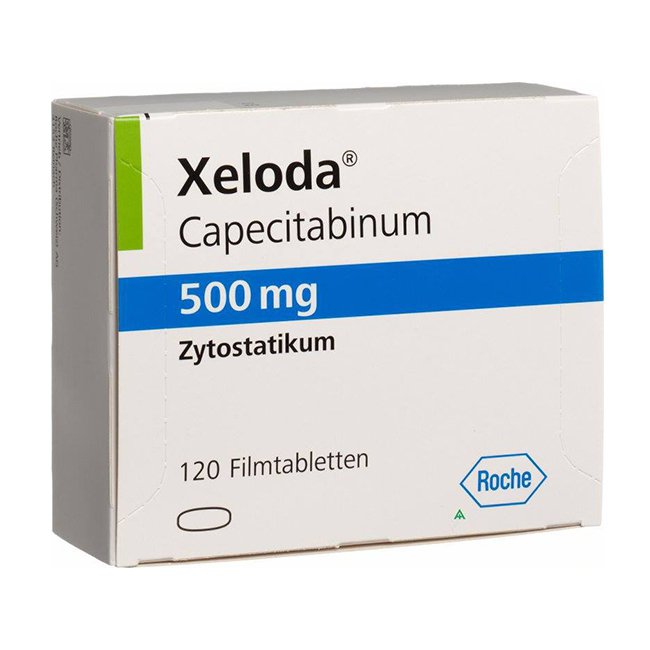
Cancer is a leading cause of death worldwide. According to the National Cancer Institute, more than 1.7 million people were diagnosed with cancer in the United States alone in 2018. Xeloda, also known as capecitabine, is an oral chemotherapy medication used to treat various types of cancer. In this article, we will explore the uses, benefits, side effects, and warnings associated with Xeloda.
Uses
Xeloda is primarily used to treat breast and colorectal cancer. It is also used to treat other types of cancer such as gastric, pancreatic, and liver cancer. Xeloda is a prodrug that is converted into an active form that stops or slows the growth of cancer cells.
Benefits
Xeloda has been found to be effective in treating metastatic breast cancer. In a clinical trial, Xeloda was shown to be as effective as other standard chemotherapy treatments. Xeloda has also been found to be effective in treating colorectal cancer. In a clinical trial, patients on Xeloda had a higher survival rate compared to those on other standard chemotherapy treatments.
Side Effects
Like all chemotherapy treatments, Xeloda has side effects. The most common side effects of Xeloda include:
- Nausea
- Vomiting
- Diarrhea
- Hand and foot syndrome (pain, redness, swelling, and peeling of skin on hands and feet)
- Fatigue
- Loss of appetite
- Abdominal pain
These side effects are generally manageable and go away after treatment. In some cases, Xeloda may cause more serious side effects such as anemia, infections, liver damage, and heart problems.
Warnings
Xeloda is not recommended for pregnant or breastfeeding women. It is important to inform your doctor if you have any liver or kidney problems, diabetes, or a history of heart problems before starting Xeloda. Xeloda may interact with other medications, so it is important to inform your doctor of all medications you are taking before starting treatment.
FAQs
Xeloda is taken orally as a tablet.
While Xeloda is effective in treating cancer, it is not a cure for cancer.
Xeloda is covered by most insurance plans.
Xeloda should be taken with food to reduce stomach upset.
Yes, Xeloda can be taken by elderly patients, but caution should be taken as they may be more susceptible to side effects.
Conclusion
Xeloda is an effective chemotherapy drug used to treat various types of cancer. It has been found to be effective in treating metastatic breast cancer and colorectal cancer. However, it comes with side effects such as nausea, vomiting, and hand and foot syndrome. It is important to talk to your doctor about the benefits and risks of Xeloda before starting treatment.