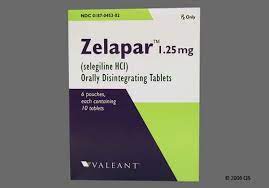
Zelapar is a medication that contains selegiline hydrochloride and is used in the treatment of Parkinson’s disease. Parkinson’s is a degenerative neurological disorder that affects the movement of the body. The medication is available in the form of orally disintegrating tablets, and it is used to treat the symptoms of Parkinson’s disease, including tremors, stiffness, and difficulty in movement.
Uses
Zelapar is a selective monoamine oxidase inhibitor that is used to treat the symptoms of Parkinson’s disease, such as tremors, stiffness, and difficulty in movement. The medication works by increasing the levels of dopamine in the brain, which is a neurotransmitter that is responsible for controlling movement.
Benefits
Zelapar has several benefits for patients with Parkinson’s disease. The medication can help reduce the symptoms of Parkinson’s disease and improve the quality of life of patients. By increasing the levels of dopamine in the brain, Zelapar can help improve motor symptoms such as tremors, stiffness, and difficulty in movement. The medication can also help reduce the risk of developing motor fluctuations, such as sudden off periods and dyskinesias.
Side Effects
Like all medications, Zelapar can cause side effects, although not everyone experiences them. The most common side effects associated with Zelapar include headaches, dry mouth, dizziness, sleeplessness, nausea, and vomiting. Other possible side effects may include hallucinations, confusion, depression, and anxiety. If any of these side effects persist or worsen, it is essential to consult a doctor. In rare cases, Zelapar can cause severe side effects such as a sudden drop in blood pressure, fainting, or an allergic reaction.
Warnings
Patients should be aware of the following warnings associated with Zelapar:
– Zelapar should not be taken by patients who have severe liver or kidney disease.
– Patients should not take Zelapar with certain medications, including antidepressants, pain medications, and cold or allergy medications.
– Patients should avoid drinking alcohol while taking Zelapar.
– Zelapar may cause drowsiness or dizziness. Patients should avoid driving or operating machinery until they know how the medication will affect them.
– Patients should inform their doctor if they are pregnant or breastfeeding before taking Zelapar.
FAQs
- How does Zelapar work?
Zelapar works by increasing the levels of dopamine in the brain, which is a neurotransmitter that is responsible for controlling movement.
- Can I take Zelapar with other medications?
No, patients should not take Zelapar with certain medications, including antidepressants, pain medications, and cold or allergy medications.
- What are the common side effects of Zelapar?
The most common side effects associated with Zelapar include headaches, dry mouth, dizziness, sleeplessness, nausea, and vomiting.
- Who should not take Zelapar?
Zelapar should not be taken by patients who have severe liver or kidney disease.
- Can I drink alcohol while taking Zelapar?
No, patients should avoid drinking alcohol while taking Zelapar.