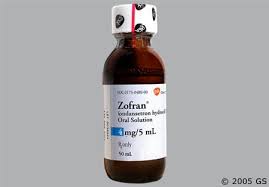
Zofran oral solution is a prescription medicine that contains the active ingredient ondansetron. It is used to prevent nausea and vomiting caused by chemotherapy, radiation therapy, and surgery. This article will discuss the uses, benefits, side effects, and warnings of Zofran oral solution.
Uses
Zofran oral solution is primarily used to prevent nausea and vomiting caused by cancer chemotherapy, radiation therapy, and surgery. It works by blocking the action of serotonin, a natural substance that can cause nausea and vomiting. Zofran can also be used to treat nausea and vomiting caused by other medical conditions, such as gastroenteritis or morning sickness during pregnancy, although it is not approved for these uses.
Benefits
Zofran oral solution can help prevent and treat nausea and vomiting, which can be debilitating and have a negative impact on a person’s quality of life. By reducing these symptoms, Zofran can help people better tolerate chemotherapy and radiation therapy, which can improve the effectiveness of these treatments. Zofran can also help people recover more quickly after surgery by reducing the risk of postoperative nausea and vomiting.
Side Effects
Like all medicines, Zofran oral solution can cause side effects. Some common side effects include headache, constipation, diarrhea, and stomach pain. Other less common side effects include dizziness, drowsiness, and blurred vision. In rare cases, Zofran can cause more serious side effects, such as an irregular heartbeat, seizures, or allergic reactions. If you experience any of these side effects, contact your doctor immediately.
Warnings
Zofran oral solution is generally considered safe and effective for preventing and treating nausea and vomiting caused by chemotherapy, radiation therapy, and surgery. However, it is important to use caution when taking this medicine. Zofran should not be used by people who are allergic to ondansetron or any of its ingredients. It should also not be used in combination with certain other medicines, such as apomorphine, which can cause a serious reaction. Additionally, Zofran may not be suitable for people who have certain medical conditions, such as liver disease or heart problems. Always talk to your doctor before taking Zofran oral solution, and let them know about any other medicines you are taking or medical conditions you have.
FAQs
Zofran oral solution should be taken exactly as directed by your doctor. The usual dose for preventing nausea and vomiting caused by chemotherapy or radiation therapy is 8 milligrams taken 30 minutes before treatment, followed by another dose 8 hours later. The dose for preventing nausea and vomiting caused by surgery is 16 milligrams taken 1 hour before anesthesia. Do not take more or less of this medicine than prescribed by your doctor.
Zofran can interact with certain other medicines, so it is important to let your doctor know about all the medicines you are taking. Specifically, Zofran should not be taken with apomorphine or any other medicines that affect the heart rhythm. Always check with your doctor or pharmacist before taking any new medicines while using Zofran.
Drinking alcohol can increase the risk of some of the side effects of Zofran, such as dizziness and drowsiness. While it is not necessarily dangerous to drink alcohol while taking Zofran, it is generally recommended to avoid alcohol or limit your intake while using this medicine.
Zofran oral solution has been shown to be safe and effective for treating nausea and vomiting during pregnancy. However, it is important to talk to your doctor about the risks and benefits of using this medicine during pregnancy, especially during the first trimester. Your doctor may recommend other treatments or options to manage nausea and vomiting during pregnancy.
Zofran is not considered to be addictive and is not a controlled substance. However, like all medicines, it can be abused or misused. Always take Zofran exactly as directed by your doctor, and do not take more or less of it than prescribed. If you develop any concerns or questions about the use of this medicine, talk to your doctor or pharmacist.






 prevents nausea and vomiting from chemotherapy, radiation, and surgery, with uses, benefits, side effects, and warnings.)