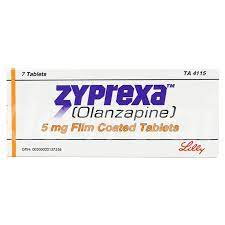
When it comes to managing mental health conditions, finding the right medication can make a world of difference. Zyprexa, also known by its generic name olanzapine, is a prescription medication that has been widely used to treat a range of mental health disorders. In this article, we will explore the uses, benefits, side effects, and warnings associated with Zyprexa.
Uses
Zyprexa is primarily prescribed for the treatment of various mental health conditions, including schizophrenia and bipolar disorder. This medication falls under the category of atypical antipsychotics, which are effective in managing the symptoms associated with these disorders.
Specifically, Zyprexa can help reduce hallucinations, delusions, and disordered thinking that are common in individuals with schizophrenia. It can also stabilize mood swings and prevent episodes of mania or depression in individuals with bipolar disorder.
Benefits
The benefits of Zyprexa extend beyond symptom reduction. Patients who have taken Zyprexa have reported improved quality of life, including better sleep patterns, increased energy levels, and enhanced social functioning. It can help individuals regain control over their lives and lead more fulfilling and productive lives.
Furthermore, Zyprexa has shown effectiveness not only in short-term use but also as a long-term treatment option. The medication can help prevent relapse and reduce the severity and frequency of symptoms for extended periods, allowing individuals to maintain stability in their mental health.
Side Effects
Like any medication, Zyprexa can cause side effects. The most common side effects reported by individuals taking this medication include drowsiness, dizziness, weight gain, and increased appetite. These side effects are usually mild and tend to improve over time or with dose adjustments.
However, some individuals may experience more severe side effects that require immediate medical attention. These may include rapid heartbeat, fever, difficulty breathing, muscle stiffness, and uncontrollable movements of the face, tongue, or other body parts. It is crucial to contact a healthcare professional if you experience any of these severe side effects.
Warnings
While Zyprexa is generally considered safe and effective when prescribed and used correctly, it is essential to be aware of certain warnings associated with this medication.
Firstly, Zyprexa can increase the risk of developing high blood sugar or diabetes. Regular monitoring of blood sugar levels is necessary, especially in individuals with existing risk factors for diabetes, such as obesity or a family history of diabetes. Any signs of increased thirst, frequent urination, or unexplained weight loss should be reported to a healthcare provider immediately.
Secondly, Zyprexa may cause changes in cholesterol or triglyceride levels. Regular monitoring of lipid levels is recommended, particularly in individuals with a history of cardiovascular disease or risk factors such as obesity, smoking, or hypertension.
Lastly, Zyprexa may lead to a condition known as neuroleptic malignant syndrome (NMS), which is a potentially life-threatening reaction characterized by high fever, muscle stiffness, and altered mental status. Although rare, immediate medical attention should be sought if any signs of NMS are observed.
In conclusion, Zyprexa is a medication often prescribed for schizophrenia and bipolar disorder. It can effectively manage symptoms, improve quality of life, and provide long-term stability. However, it is essential to be aware of potential side effects, such as drowsiness and weight gain, and to closely monitor any concerning or severe reactions. Always consult with a healthcare professional for personalized advice and guidance regarding the use of Zyprexa or any other medication.
Frequently Asked Questions (FAQs)
No, Zyprexa is primarily approved for the treatment of schizophrenia and bipolar disorder. It is important to consult with a healthcare provider to determine the appropriate medication for any specific condition.
The effects of Zyprexa can vary from person to person. While some individuals may experience symptom improvement within a few days, it may take several weeks to notice the full effects of the medication.
Zyprexa is generally not recommended for children and adolescents due to an increased risk of developing side effects, such as weight gain and metabolic changes.
The use of Zyprexa during pregnancy and breastfeeding should be discussed with a healthcare provider. The potential risks and benefits need to be carefully evaluated and weighed.
No, Zyprexa is not addictive. It does not cause physical dependence or cravings typically associated with addictive substances.






