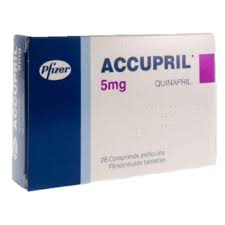
Accupril is a prescription drug used to treat high blood pressure (hypertension) and heart failure. The generic name of Accupril is quinapril, and it belongs to a class of drugs called ACE inhibitors. ACE inhibitors work by blocking the production of a hormone called angiotensin II, which causes blood vessels to narrow. This, in turn, leads to increased blood pressure and can increase the risk of heart attack and stroke.
Uses
Accupril is mainly used to treat high blood pressure and heart failure. High blood pressure affects millions of individuals worldwide, and if left uncontrolled, it can lead to serious health complications such as stroke, heart attack, kidney disease, and even death. Heart failure occurs when the heart muscle is weakened, leading to an inability to pump blood efficiently. Accupril works by reducing blood pressure and improving blood flow to the heart, thus helping to reduce the symptoms of heart failure.
Benefits
Accupril is an effective medication with several benefits. By reducing blood pressure, it helps to lower the risk of heart attack, stroke, and other complications associated with high blood pressure. Moreover, Accupril helps to improve heart function in individuals with heart failure by reducing the workload on the heart. It also helps to reduce the risk of hospitalization for heart failure.
Side Effects
Like all medications, Accupril can have side effects. The most common side effects of Accupril include:
- Cough
- Dizziness
- Headache
- Fatigue
- Nausea
- Vomiting
These side effects are usually mild and go away on their own within a few days or weeks. However, if you experience any of the following severe side effects, seek medical attention immediately:
- Chest pain
- Irregular heartbeat
- Swelling in the face, throat, or tongue
- Difficulty breathing
- Fever or chills
- Yellowing of the skin or eyes
- Joint or muscle pain
- Difficulty swallowing
Warnings
Before taking Accupril, it is essential to inform your doctor if you have any of the following conditions:
- Liver or kidney disease
- Diabetes
- Heart disease
- History of stroke
- Allergies to medications
Accupril can interact with other medications, so it is crucial to inform your doctor if you are taking any other medications, including prescription drugs, over-the-counter drugs, herbal supplements, or vitamins.
Moreover, Accupril is not recommended for use during pregnancy as it can harm the baby. It is also not recommended for use while breastfeeding.
It is crucial to take Accupril exactly as prescribed by your doctor and not to miss any doses. Moreover, it is essential to monitor your blood pressure regularly while taking Accupril.
FAQs
It can take several weeks for Accupril to start working fully. However, you should start to notice a reduction in blood pressure within the first few days of taking the medication.
It is not recommended to drink alcohol while taking Accupril, as it can increase the risk of side effects such as dizziness or lightheadedness.
If you miss a dose, take it as soon as you remember. However, if it is close to the time of your next dose, skip the missed dose and take your next regular dose as scheduled.
Accupril can cause dizziness, drowsiness, and lightheadedness, so it is essential to be cautious while driving or operating machinery.
Accupril is not known to cause weight gain. However, if you experience unexplained weight gain while taking Accupril, inform your doctor.






