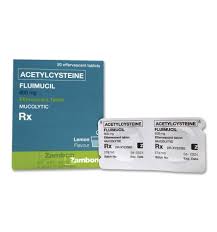
Acetylcysteine, also known as N-acetylcysteine (NAC), is a medication used to treat various conditions, including cough, bronchitis, and acetaminophen toxicity. This article will discuss the uses, benefits, side effects, and warnings of Acetylcysteine.
Uses
Acetylcysteine has several medical uses, including:
- Cough: Acetylcysteine is effective in reducing the thickness of mucus in people with respiratory conditions, making it easier for them to expel.
- Bronchitis: Acetylcysteine is used to treat respiratory conditions such as bronchitis, helping to relieve cough and congestion.
- Acetaminophen toxicity: Acetylcysteine is used in the treatment of acetaminophen toxicity, a condition that occurs when someone has taken too much of the medication.
- Heart attack: Acetylcysteine is sometimes used to treat people who have had a heart attack, or as a preventive measure for people who are at risk of having a heart attack.
Benefits
The benefits of acetylcysteine are related to its ability to break down mucus in the respiratory tract, making it easier for people with respiratory conditions to breathe. In addition, acetylcysteine has antioxidant properties, which can help protect against oxidative stress in the body.
Acetylcysteine is also effective in treating acetaminophen toxicity, helping to prevent liver damage in people who have taken too much of the drug.
Side Effects
Like all medications, acetylcysteine can cause side effects. Common side effects of acetylcysteine include:
- Nausea and vomiting
- Diarrhea
- Headache
- Dizziness
In some cases, people may experience more serious side effects, such as an allergic reaction. If you experience any of the following symptoms after taking acetylcysteine, seek medical attention immediately:
- Hives
- Swelling of the face, lips, tongue, or throat
- Difficulty breathing
- Chest pain or tightness
- Wheezing
Warnings
Acetylcysteine is generally safe when used as directed, but there are some precautions that people should be aware of. For example, people with a history of asthma should use acetylcysteine with caution, as it can cause bronchospasm in some people.
In addition, people who have liver or kidney disease should talk to their doctor before taking acetylcysteine, as it can affect how these organs function.
Acetylcysteine can also interact with other medications, including nitroglycerin and blood thinners like warfarin. If you are taking any medications, talk to your doctor before taking acetylcysteine.
FAQs
Acetylcysteine is generally considered safe during pregnancy, but you should talk to your doctor before taking it.
The dosing of acetylcysteine depends on the condition being treated. Follow your doctor’s instructions on how often and how much to take.
Acetylcysteine is not typically used to treat the flu, but it may be used in people with respiratory conditions that develop as a complication of the flu.
Acetylcysteine can interact with other medications, so it is important to talk to your doctor before taking it with any other drugs.
The onset of action of acetylcysteine depends on the condition being treated. In some cases, people may notice an improvement in their symptoms within a few hours of taking the medication.






