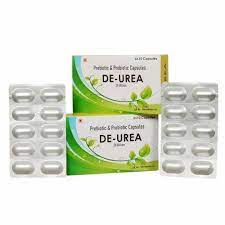
Urea, also known as carbamide, is a compound that is used in many different ways in modern society. It is commonly used in fertilizers and animal feed, but it is also used in the medical field as a medication for certain conditions.
In this article, we will explore the uses, benefits, and potential side effects and warnings of urea as a medicine.
Uses
Urea has a few different medical uses, which we will discuss below:
1. Dermatology: Urea is often used in skin creams and ointments as an emollient, which softens and moisturizes dry, rough skin and helps to prevent water loss. It is particularly helpful for people with conditions like eczema, psoriasis, and ichthyosis.
2. Nail Softening: Urea is also used to soften and thin out thickened and hardened nails, making it easier to trim them down. This can be especially helpful for people who have toenail fungus or other nail conditions that cause the nails to become thick and difficult to trim.
3. Wound Healing: Urea is sometimes used in topical wound healing preparations, as it can help to break down dead tissue and promote the growth of healthy new tissue.
4. Hyperammonemia: Urea is used in the treatment of hyperammonemia, a condition in which there is too much ammonia in the blood. Urea helps to convert ammonia to urea in the liver, which can then be excreted by the body through urine.
Benefits
Urea has a number of potential benefits when used as a medicine:
1. Improved Skin Health: Urea is an effective moisturizer that can help to soften and hydrate dry, rough skin. It can also help to reduce inflammation and redness in conditions like psoriasis and eczema.
2. Nail Health: Urea can help to soften and thin out thickened and hardened nails, making them easier to trim down and reducing the risk of complications from nail conditions like toenail fungus.
3. Wound Healing: Urea can help to promote the growth of healthy new tissue and break down dead tissue in wound healing preparations, which can speed up the healing process.
4. Hyperammonemia: Urea can help to reduce the levels of ammonia in the blood in people with hyperammonemia, which can improve their overall health and reduce the risk of complications.
Side Effects
Like any medication, urea can cause side effects in some people. These side effects can include:
1. Skin irritation: Topical urea preparations can sometimes cause irritation or allergic reactions in people with sensitive skin.
2. Burning sensation: Some people may experience a burning sensation when applying urea cream or ointment.
3. Rash: Rarely, people may develop a rash after using a urea-containing product.
4. Nail detachment: Using a urea-containing product on the nails can sometimes cause the nail to detach from the nail bed.
Warnings
There are a few warnings and precautions to be aware of when using urea as a medicine:
1. Allergic reactions: Some people may be allergic to urea, and should avoid using it.
2. Pregnancy and breastfeeding: The safety of urea use during pregnancy and breastfeeding is not well-established, and pregnant or breastfeeding women should talk to their doctor before using any urea-containing products.
3. Avoid contact with eyes and mouth: Urea preparations should not be used near or on the eyes or mouth, as they can cause irritation or other problems.
4. Interactions with other medications: Urea can interact with certain medications, so it is important to talk to a doctor before using any urea-containing products if you are taking other medications.
FAQs
Urea cream can be used every day, but you should talk to your doctor about the appropriate amount and frequency of use for your specific condition.
Urea can be safe for children when used as directed, but parents should talk to their child’s doctor before using any urea-containing products.
Urea-containing products can actually help to strengthen nails over time, so they should not cause nails to become weaker.
Urea is primarily used to treat the conditions listed above, but it may have other medical uses that are currently being researched.
Many urea-containing products can be purchased over-the-counter without a prescription, but prescription-strength formulations are also available for certain conditions.