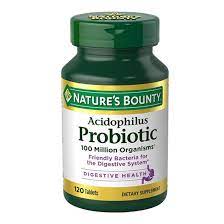
Acidophilus, also known as Lactobacillus acidophilus, is a type of bacteria that naturally lives in the human body. This probiotic bacterium is commonly found in the digestive system, urinary tract, and female reproductive system. Acidophilus is also found in many fermented foods like yogurt and kefir.
In recent years, acidophilus has become a popular dietary supplement. Consumers use acidophilus for its various potential health benefits. In this article, we will explore the uses, benefits, side effects, and warnings of acidophilus.
Uses of Acidophilus
Several potential uses and sources of acidophilus are as follows:
- Improves Digestion – Acidophilus is helpful in maintaining a healthy digestive system. It helps to break down food, absorb nutrients properly and reduce inflammation in the gut.
- Prevents Diarrhea – Acidophilus has anti-diarrheal effects and has been used to prevent diarrhea caused by antibiotics and infections such as E. coli, salmonella, and rotavirus in children.
- Alleviates Constipation – Acidophilus can help alleviate constipation by balancing gut microbiota and promoting regular bowel movements.
- Treats Urinary Tract Infections – Acidophilus has been shown to reduce the risk and recurrence of urinary tract infections (UTIs).
- Supports the Immune System – Acidophilus supports immune function and helps to combat harmful bacteria like E. coli and Candida yeast.
Benefits of Acidophilus
Acidophilus has several benefits that make it an important dietary supplement. Here are some of the potential benefits:
- Helps Improve Gut Health – The healthy bacteria in acidophilus improve gut health and alleviate various digestive problems.
- Antioxidant Properties – Acidophilus has antioxidant properties, which improve the overall health of the body by reducing oxidative stress caused by free radicals.
- Helps to Prevent Yeast Infections – Acidophilus helps to prevent and treat yeast infections, which occur due to an overgrowth of Candida yeast.
- Reduces Bad Cholesterol – Acidophilus has been shown to reduce bad cholesterol levels in some people, which lowers the risk of heart disease.
- May Improve Mental Health – Acidophilus may improve mental health by reducing anxiety, depression, and stress levels. It could potentially help people who suffer from these problems.
Side Effects of Acidophilus
Acidophilus is generally safe for consumption, but some people may experience side effects such as:
- Bloating
- Gas
- Stomach cramps
- Constipation
- Diarrhea (in some cases)
These side effects are usually mild and go away on their own. If you experience severe side effects, you should stop taking acidophilus and consult a healthcare professional.
Warnings for Acidophilus
While acidophilus is generally considered safe, there are a few things to keep in mind if you plan on using this supplement.
- Consult your doctor – If you are pregnant, breastfeeding, or have a medical condition, you should consult your doctor before taking acidophilus.
- Interactions – If you are taking medication, check with your doctor to ensure that acidophilus will not interfere with your medication.
- Avoid overdose – Do not take more than the recommended dose of acidophilus without consulting your doctor.
- Quality – Ensure that you purchase high-quality acidophilus supplements that are free from harmful contaminants and bacteria.
- Allergies – If you have a dairy allergy, make sure the acidophilus supplement you choose is free from dairy.
FAQs
If you are experiencing digestive issues, or have recently taken antibiotics or other medications that disrupt the gut flora, taking an acidophilus supplement may be helpful. Consult with your healthcare professional.
Yes, acidophilus supplements are safe for children, but it’s a good idea to consult with a pediatrician before giving them to a child.
Yes, acidophilus is naturally found in food like yogurt, buttermilk, and kefir.
You should take acidophilus supplements for as long as you are experiencing symptoms or as recommended by your healthcare professional. It’s generally safe to take acidophilus on a long-term basis.
Pregnant women should consult with their healthcare professional before taking acidophilus. Some studies have shown that acidophilus may help reduce the risk of pre-eclampsia during pregnancy. However, more research is needed.
In conclusion, Acidophilus is a powerful probiotic supplement that offers several health benefits. However, it’s important to consult with a healthcare professional before taking this supplement, especially if you’re pregnant, breastfeeding, or have a medical condition. You should also make sure to choose high-quality acidophilus supplements that do not contain harmful contaminants, and always take the recommended dose.






