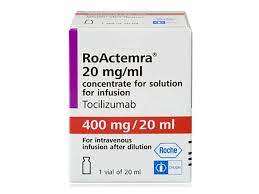
Actemra is a medication that belongs to the class of drugs known as interleukin-6 (IL-6) inhibitors. It is primarily used to treat certain types of arthritis and other autoimmune conditions. Actemra works by blocking the activity of IL-6, a protein that plays a role in inflammation and immune response. This comprehensive guide will explore the uses, benefits, side effects, and warnings associated with Actemra.
Uses
Actemra is commonly prescribed for the treatment of rheumatoid arthritis (RA) in adults. RA is a chronic inflammatory disorder that primarily affects the joints, leading to pain, stiffness, and swelling. Actemra helps reduce these symptoms and slows down disease progression. It can be used alone or in combination with other disease-modifying antirheumatic drugs (DMARDs).
Additionally, Actemra is approved for use in treating giant cell arteritis (GCA) in adults. GCA is a type of vasculitis that causes inflammation of the blood vessels, particularly those in the head and neck region. Actemra helps alleviate the symptoms and reduces the risk of complications associated with GCA.
Benefits
The use of Actemra has shown several significant benefits for individuals with rheumatoid arthritis. It helps improve joint function, reduces pain and inflammation, and prevents joint damage. Actemra also increases the chances of achieving remission, a state where symptoms are minimal or absent. Additionally, Actemra has been found effective in reducing fatigue levels and improving overall quality of life for patients with RA.
For those suffering from giant cell arteritis, Actemra helps control inflammation, providing relief from symptoms such as headache, jaw pain, and vision problems. It reduces the risk of complications associated with GCA, including vision loss and stroke.
Side Effects
As with any medication, Actemra may cause certain side effects. It is essential to be aware of potential adverse reactions, although not everyone experiences them. Common side effects of Actemra include:
– Injection site reactions, such as redness, swelling, or irritation
– Elevated liver enzymes, which can be detected through blood tests
– Upper respiratory tract infections, including sinusitis and common cold symptoms
– Headaches and dizziness
– Rash or skin reactions
Severe side effects are rare but can occur. These may include allergic reactions, liver damage, or serious infections. It is crucial to seek immediate medical attention if you experience symptoms such as difficulty breathing, chest pain, persistent abdominal pain, or signs of an infection.
Warnings
Before starting Actemra, it is important to inform your healthcare provider about any existing medical conditions or allergies. Actemra may not be suitable for individuals with a history of certain infections, liver disease, or gastrointestinal perforations. It is also important to discuss any medications, vitamins, or herbal supplements you are currently taking to avoid potential interactions.
Actemra can weaken the immune system, making individuals more susceptible to infections. It is important to promptly report any signs of infection, such as fever, cough, or urinary tract symptoms, to your doctor.
In some cases, Actemra may affect your cholesterol levels, so regular monitoring is essential. Additionally, Actemra should not be administered during pregnancy unless the potential benefits outweigh the risks.
FAQs
Actemra is approved for children aged two years and older with certain types of juvenile idiopathic arthritis. However, its use in pediatric patients should be supervised by a pediatric rheumatologist.
Actemra is usually given as an intravenous (IV) infusion every four weeks for the treatment of rheumatoid arthritis. The dosage and frequency of Actemra may vary depending on the condition being treated.
Actemra can be used as a first-line treatment option or when other DMARDs have not been effective in managing symptoms of rheumatoid arthritis. Your healthcare provider will determine the appropriate treatment approach based on your individual circumstances.
Actemra can be used in combination with certain DMARDs or other arthritis medications. However, it is important to inform your doctor about all the medications you are taking to avoid potential drug interactions.
The onset of Actemra’s effects may vary between individuals. Some patients may experience symptom relief within a few weeks, while others may require more time. It is essential to follow the prescribed treatment plan and regularly communicate with your healthcare provider to determine the effectiveness of Actemra.
conclusion
In conclusion, Actemra is a medication that is widely prescribed for the treatment of rheumatoid arthritis and giant cell arteritis. It provides significant benefits by reducing inflammation, managing symptoms, and improving overall quality of life. Like any medication, Actemra may cause side effects, and it is crucial to be aware of potential risks. By following the prescribed dosage and communicating with your healthcare provider, Actemra can be an effective treatment option for various autoimmune conditions.