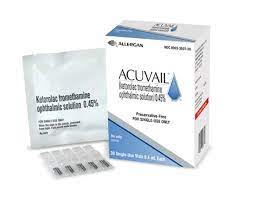
Acuvail is a nonsteroidal anti-inflammatory drug (NSAID) used to treat the pain and inflammation caused by cataract surgery. It comes in the form of an eye drop and is applied directly to the eye.
Uses of Acuvail
Acuvail is primarily used to reduce pain and inflammation after cataract surgery. It works by blocking the production of prostaglandins, a group of chemicals that cause pain and inflammation in the body.
In addition to cataract surgery, Acuvail may also be used to treat other eye conditions, such as conjunctivitis (pink eye), corneal abrasions, and uveitis.
Benefits of Acuvail
The benefits of Acuvail include:
- Relieving pain and inflammation after cataract surgery
- Reducing the risk of cystoid macular edema (a complication of cataract surgery that can lead to vision loss)
- Improving visual function
- Treating other eye conditions that cause pain and inflammation
Side Effects of Acuvail
Like all medications, Acuvail can cause side effects. The most common side effects include:
- Eye irritation, itching, or redness
- Stinging or burning sensation in the eye
- Increased tearing
- Dry eyes
- Headache
If you experience severe side effects, such as vision changes, severe eye pain, or swelling of the eye, seek medical attention immediately.
Warnings about Acuvail
Before using Acuvail, there are a few important warnings to keep in mind:
- Do not use Acuvail if you are allergic to ketorolac or any other NSAID.
- Use Acuvail with caution if you have a history of bleeding disorders, high blood pressure, or liver or kidney disease.
- Do not use Acuvail while wearing contact lenses. Remove your contacts before using the medication and wait at least 15 minutes before reinserting them.
- Acuvail may interact with certain medications, such as blood thinners. Be sure to tell your doctor about all medications you are taking before using Acuvail.
FAQs about Acuvail
Follow your doctor’s instructions for using Acuvail. Generally, the medication is applied as one or two drops in the affected eye(s) up to four times per day for up to two weeks.
It is not recommended to use Acuvail if you are pregnant or breastfeeding, as the medication may harm the baby. Talk to your doctor if you are pregnant or breastfeeding before using Acuvail.
No, Acuvail is not a steroid. It is a nonsteroidal anti-inflammatory drug (NSAID).
In rare cases, Acuvail may cause vision changes, such as blurred vision or sensitivity to light. If you experience any vision changes while using Acuvail, contact your doctor immediately.
If you miss a dose of Acuvail, apply the missed dose as soon as you remember. However, if it is almost time for your next dose, skip the missed dose and continue your regular dosing schedule. Do not apply extra medication to make up for a missed dose.
Conclusion
Acuvail is a medication used to treat pain and inflammation after cataract surgery, as well as other eye conditions. While it can be effective in reducing pain and inflammation, it is important to use the medication as directed and be aware of potential side effects and warnings. If you have any questions or concerns about using Acuvail, talk to your doctor or pharmacist.






