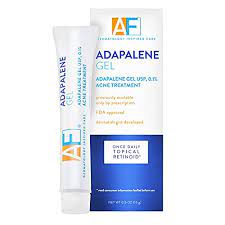
Adapalene is a type of medication that is primarily used in the treatment of acne. It belongs to the class of medications known as topical retinoids, which work by decreasing inflammation and promoting cell turnover in the skin. Adapalene is available in various forms, including gel, cream, and lotion, and it is typically applied directly to the affected areas of the skin. In this article, we will explore the uses, benefits, side effects, and warnings associated with the use of Adapalene.
Uses
Adapalene is primarily used for the treatment of acne vulgaris. It works by reducing the formation of comedones (blackheads and whiteheads) and preventing the development of new acne lesions. It is effective in treating both mild and moderate forms of acne and is often recommended by dermatologists as a first-line treatment option. Adapalene can also be used in combination with other medications or therapies for more severe acne cases.
Benefits
The use of Adapalene offers several benefits for individuals struggling with acne. Some of the key advantages include:
1. Reduced inflammation: Adapalene helps to decrease inflammation in the skin, which is a common characteristic of acne. By reducing inflammation, it can alleviate redness and swelling associated with acne lesions.
2. Improved skin texture: Adapalene promotes cell turnover in the skin, helping to unclog pores and prevent the formation of new acne lesions. This leads to smoother and clearer skin over time.
3. Long-term effectiveness: Unlike some acne medications that may only provide temporary relief, Adapalene has been shown to be effective in the long term. It can help prevent future breakouts and maintain clearer skin.
4. Easy application: Adapalene is available in various formulations and can be easily applied to the affected areas of the skin. It is usually recommended to apply a thin layer once daily, preferably in the evening after washing the face.
5. Suits various skin types: Adapalene is generally well-tolerated and suitable for most skin types. It is non-comedogenic, meaning it does not clog pores, making it suitable for individuals with oily or acne-prone skin.
Side Effects
As with any medication, Adapalene may cause side effects in some individuals. Common side effects include mild skin irritation, dryness, and peeling. These side effects are generally mild and tend to improve over time as the skin adjusts to the medication. In rare cases, more severe side effects such as allergic reactions, severe itching, blistering, or swelling of the face may occur. If any of these occur, it is important to discontinue the use of Adapalene and seek medical attention.
Warnings
While Adapalene is generally safe for use, there are a few important warnings to consider:
1. Pregnancy and breastfeeding: Adapalene should be used with caution during pregnancy or breastfeeding. It is recommended to consult with a healthcare professional before using Adapalene if you are pregnant, planning to become pregnant, or breastfeeding.
2. Sun exposure: Adapalene may increase sensitivity to sunlight. It is important to protect your skin by wearing sunscreen and avoiding excessive sun exposure while using this medication.
3. Other skin conditions: Adapalene should be used with caution in individuals with skin conditions such as eczema or rosacea. It is advised to consult with a dermatologist before starting Adapalene if you have any pre-existing skin conditions.
4. Medication interactions: Adapalene may interact with certain medications, including other acne medications or topical products containing sulfur, resorcinol, or salicylic acid. It is important to inform your healthcare provider about all the medications and skincare products you are using before starting Adapalene.
5. Use as directed: Adapalene should be used as directed by your healthcare provider or pharmacist. It is important not to exceed the recommended dosage or application frequency to avoid potential side effects or skin irritation.
FAQs
Adapalene is primarily used for the treatment of acne vulgaris, but it may also be effective for other conditions as determined by a healthcare professional.
Results may vary, but improvements in acne lesions can often be noticed within a few weeks of regular use. However, it may take several months to see significant improvement.
Adapalene is generally well-tolerated and suitable for most skin types. However, individuals with sensitive skin may experience higher levels of irritation and may need to adjust the frequency of application.
Adapalene can often be used in combination with other acne medications, but it is important to consult with a healthcare professional or dermatologist before combining different treatments.
Certain formulations of Adapalene are available over the counter, while higher strengths may require a prescription. Always consult with a healthcare professional to determine the most suitable option for your needs.






