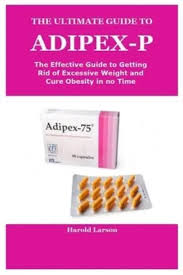
Adipex P is a prescription medication used to aid in weight loss. It contains the active ingredient phentermine, which is classified as a sympathomimetic amine. This medication works by suppressing appetite and increasing energy expenditure, ultimately leading to weight loss. Before considering the use of Adipex P, it is important to understand its uses, benefits, side effects, and warnings.
Uses
Adipex P is primarily used as a short-term adjunct to a comprehensive weight loss program that includes a low-calorie diet, exercise, and behavior modification. It is prescribed for individuals who are obese and have a body mass index (BMI) of 30 or higher. Adipex P should not be used as a sole method of weight loss and is not recommended for individuals with a BMI below 30.
Benefits
The main benefit of Adipex P is its ability to aid in weight loss. By reducing appetite and increasing energy expenditure, this medication can help individuals achieve their weight loss goals more effectively. It can also be beneficial for individuals who have weight-related health conditions such as high blood pressure, diabetes, or high cholesterol. Losing weight can improve these conditions and lead to an overall improvement in health.
Side Effects
While Adipex P can be effective in aiding weight loss, it is important to be aware of potential side effects. Common side effects include dry mouth, constipation, insomnia, increased heart rate, and elevated blood pressure. These side effects are usually mild and temporary, but if they persist or become severe, it is important to consult a healthcare professional. Less common but more serious side effects can include chest pain, shortness of breath, fainting, and swelling of the lower extremities. If any of these occur, medical attention should be sought immediately.
Warnings
Adipex P is not suitable for everyone and should be used with caution. It is contraindicated in individuals with a history of heart disease, uncontrolled high blood pressure, hyperthyroidism, glaucoma, or a history of drug abuse. It should also be avoided by pregnant women or those who are breastfeeding. Adipex P can interact with other medications, such as monoamine oxidase inhibitors (MAOIs), and should not be taken within 14 days of stopping these drugs. It is important to disclose all current medications and medical conditions to the prescribing healthcare professional to ensure the safe use of Adipex P.
conclusion
In conclusion, Adipex P is a prescription medication used to aid in weight loss. It can be effective in suppressing appetite and increasing energy expenditure. However, it is important to be aware of potential side effects and to use the medication under the guidance of a healthcare professional. Adipex P should not be used without a prescription and should be part of a comprehensive weight loss program.
FAQs
No, Adipex P is a prescription medication and should only be taken under the supervision of a healthcare professional.
Adipex P is typically prescribed for a short duration, usually a few weeks or months. It is not recommended for long-term use.
Adipex P is classified as a controlled substance due to its potential for abuse and addiction. It should be used only as directed by a healthcare professional.
Alcohol should be avoided while taking Adipex P. It can increase the risk of side effects and may interfere with the effectiveness of the medication.
Adipex P should be used as part of a comprehensive weight loss program that includes a low-calorie diet, exercise, and behavior modification. It is not a standalone solution for weight loss.