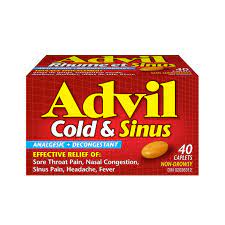
When you’re struck with a cold or sinus congestion, finding relief becomes essential. Advil Cold and Sinus is a popular over-the-counter medication that is specifically formulated to alleviate symptoms associated with colds and sinus infections. This article will explore the uses, benefits, side effects, and warnings of Advil Cold and Sinus.
Uses
Advil Cold and Sinus is primarily used to relieve symptoms caused by colds, flu, allergies, and sinus infections. Its active ingredients, ibuprofen and pseudoephedrine, work together to provide temporary relief from nasal congestion, sinus pressure, headache, fever, and minor body aches.
Benefits
The combination of ibuprofen and pseudoephedrine in Advil Cold and Sinus offers several benefits for individuals suffering from colds and sinus congestion. The medication helps reduce nasal swelling, which eases congestion and improves breathing. It also alleviates pain associated with sinus pressure and relieves fever and minor body aches, allowing you to carry on with your daily activities despite feeling under the weather.
Side Effects
Although Advil Cold and Sinus brings relief to many, it is important to be aware of potential side effects. Common side effects may include nervousness, upset stomach, dizziness, sleep disturbances, and increased blood pressure. These side effects are usually mild and temporary, but if they persist or worsen, it is advisable to consult a healthcare professional.
In some cases, serious side effects may occur, albeit rarely. Seek immediate medical attention if you experience symptoms such as severe stomach pain, chest pain, rapid heartbeat, difficulty breathing, or unusual fatigue. Allergic reactions to Advil Cold and Sinus are also possible but rare. If you notice any signs of an allergic reaction, such as rash, itching, swelling, or severe dizziness, discontinue use and seek medical help.
Warnings
Before taking Advil Cold and Sinus, it is important to consider a few warnings:
- Do not take Advil Cold and Sinus if you have a known allergy to ibuprofen, pseudoephedrine, or any other ingredients in the medication.
- If you have a history of heart disease, high blood pressure, diabetes, thyroid problems, glaucoma, or prostate enlargement, consult your healthcare provider before using this medication.
- Do not exceed the recommended dosage and avoid using other products containing ibuprofen or pseudoephedrine simultaneously to prevent overdosing.
- Advil Cold and Sinus is not recommended for children under the age of 12.
- Pregnant or nursing women should consult their healthcare providers before using this medication.
FAQs (Frequently Asked Questions)
Individuals with diabetes should consult their healthcare provider before using Advil Cold and Sinus, as it may affect blood sugar levels.
The relief provided by Advil Cold and Sinus varies from person to person. However, many individuals experience relief within 30 minutes to an hour after taking the medication.
If you have high blood pressure, it is advisable to consult your healthcare provider before using Advil Cold and Sinus. Pseudoephedrine, one of its active ingredients, may increase blood pressure in some individuals.
Pregnant or nursing women should consult their healthcare providers before using Advil Cold and Sinus to ensure its safety.
If you are taking other medications, it is advisable to consult your doctor or pharmacist before taking Advil Cold and Sinus to prevent any potential interactions.
Advil Cold and Sinus can provide temporary relief from the uncomfortable symptoms of colds and sinus congestion. However, it is crucial to read and follow the instructions, warnings, and recommended dosage to ensure safe and effective use. If symptoms persist or worsen, it is always recommended to consult a healthcare professional.






