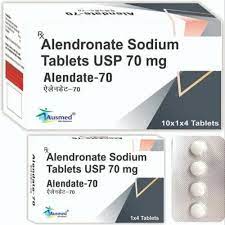
Alendronate is a prescription medication that belongs to a class of drugs known as bisphosphonates. It is commonly prescribed to treat and prevent osteoporosis in postmenopausal women and men. Alendronate works by slowing down the breakdown of old bone cells and increasing bone density, therefore reducing the risk of fractures.
Uses
Alendronate is primarily used for the treatment and prevention of osteoporosis. It is effective in reducing bone loss and increasing bone mass, which helps to prevent fractures, especially in the spine and hips. This medication is often prescribed for individuals with a high risk of fractures, such as those with low bone density and older adults.
Benefits
The main benefit of using alendronate is the prevention of fractures in individuals with osteoporosis. By increasing bone density, it helps to strengthen the bones, making them less susceptible to fractures. This medication can also provide relief from bone pain associated with osteoporosis.
Side Effects
While alendronate is effective in treating osteoporosis, it can cause certain side effects. The most common side effects include:
- Stomach upset
- Nausea
- Heartburn
- Constipation
- Diarrhea
In rare cases, alendronate may cause more serious side effects, such as severe gastrointestinal problems, including ulcers, esophagus inflammation, and difficulty swallowing. Some individuals may experience allergic reactions to the medication, which can include hives, swelling, and difficulty breathing. It is important to notify your healthcare provider if you experience any severe side effects while taking alendronate.
Warnings
Before starting alendronate, it is essential to inform your healthcare provider about any medical conditions or allergies you may have. Individuals with certain conditions may be advised against taking alendronate. These conditions include:
- Esophageal abnormalities
- Difficulty swallowing
- Kidney problems
- Low calcium levels
- Vitamin D deficiency
Furthermore, it is crucial to follow the dosing instructions provided by your healthcare provider. Alendronate should be taken with a full glass of water on an empty stomach at least 30 minutes before consuming food, beverages, or other medications. It is essential to remain upright for at least 30 minutes after taking alendronate to prevent stomach irritation.
FAQs
Alendronate is usually prescribed for a specific duration recommended by your healthcare provider. It is essential to follow the prescribed treatment plan and not exceed the recommended timeframe.
Alendronate should be taken at least 30 minutes before other medications, food, or beverages to ensure proper absorption into the body. It is recommended to consult with your healthcare provider about any potential interactions with other medications.
Yes, alendronate can be prescribed to both men and postmenopausal women for the treatment and prevention of osteoporosis.
If you miss a dose of alendronate, skip the missed dose and take the next dose as scheduled. Do not take a double dose to make up for the missed one.
The effects of alendronate on bone density can be seen after three to six months of regular use. However, individual results may vary, and it is essential to discuss the treatment progress with your healthcare provider.






