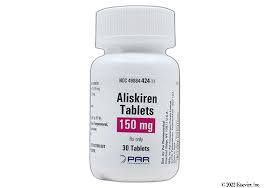
Aliskiren is a medication that belongs to a class of drugs known as direct renin inhibitors. It is primarily used to treat high blood pressure (hypertension) and is often prescribed in combination with other antihypertensive drugs. Aliskiren works by reducing the production of renin, an enzyme that plays a crucial role in the regulation of blood pressure.
Uses
Aliskiren is mainly prescribed for the treatment of hypertension. It may be used alone or in combination with other medications to effectively control high blood pressure. By inhibiting renin, aliskiren helps to relax and widen blood vessels, thus lowering blood pressure. This medication is typically taken orally once a day with or without food.
Benefits
Aliskiren offers several benefits in the management of hypertension. It helps to lower blood pressure, which can significantly reduce the risk of heart attack, stroke, and kidney problems. This medication may also be beneficial for individuals with heart failure, as it can improve symptoms and decrease hospitalization rates. Additionally, aliskiren has shown potential in reducing proteinuria (excessive protein in the urine) in patients with diabetic nephropathy.
Side Effects
Like any medication, aliskiren may cause side effects. Common side effects include diarrhea, dizziness, cough, headache, and tiredness. These side effects are usually mild and temporary. However, if they persist or worsen, it is important to seek medical attention. In rare cases, aliskiren can cause serious side effects such as low blood pressure, high potassium levels, and kidney problems. It is crucial to report any unusual symptoms or severe side effects to a healthcare professional immediately.
Warnings
Before starting aliskiren, it is important to inform your healthcare provider about any pre-existing medical conditions, such as kidney disease, liver disease, or diabetes. Aliskiren is not recommended for pregnant women as it may harm the unborn baby. It is also not suitable for individuals who are breastfeeding. It is important to disclose all medications, supplements, and herbal remedies you are currently taking to avoid any potential drug interactions.
Aliskiren may interact with certain medications, including nonsteroidal anti-inflammatory drugs (NSAIDs), potassium supplements, and certain diuretics. These interactions can increase the risk of side effects or affect the efficacy of the medication. It is essential to follow the prescribed dosage and frequency, as taking more than the recommended amount can lead to serious health consequences.
FAQs
No, aliskiren is typically used in combination with other antihypertensive medications to effectively control high blood pressure.
The full effect of aliskiren may take up to 2 weeks to be noticeable. It is important to continue taking the medication as prescribed, even if you do not immediately see results.
In rare cases, aliskiren may cause kidney problems. It is crucial to report any changes in urine output or signs of kidney dysfunction to a healthcare professional
Yes, aliskiren is often prescribed in combination with other antihypertensive drugs to achieve optimal blood pressure control.
No, aliskiren should not be stopped suddenly without consulting a healthcare professional. Abrupt discontinuation of the medication may cause a sudden increase in blood pressure.