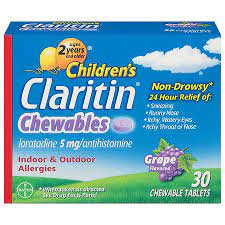
Children’s Claritin is a popular medication used to treat allergies in children. It contains the active ingredient loratadine, which is an antihistamine that helps relieve symptoms such as sneezing, runny nose, itchy or watery eyes, and itching of the nose or throat. This article provides an overview of the uses, benefits, side effects, and warnings associated with Children’s Claritin.
Uses
Children’s Claritin is primarily used to treat seasonal allergies, including hay fever, caused by outdoor allergens such as pollen, grass, and mold. It provides relief from common allergy symptoms, allowing children to go about their daily activities without discomfort. It can also be used to alleviate symptoms of indoor allergies, caused by pet dander, dust mites, or mold present in the home environment.
Benefits
The benefits of Children’s Claritin are numerous. Firstly, it effectively reduces allergy symptoms, providing relief from sneezing, itching, and a runny nose. This allows children to breathe more easily and enjoy outdoor activities without constant discomfort. Additionally, Children’s Claritin is non-drowsy, meaning it does not cause excessive sleepiness or impair cognitive function. This makes it a suitable choice for children who need to remain alert and focused throughout the day.
Another benefit is its long-lasting effect. Children’s Claritin provides relief for up to 24 hours with a single dose, allowing children to have uninterrupted symptom relief without needing frequent re-dosing. This convenience makes it a popular choice for parents and caregivers.
Side Effects
While Children’s Claritin is generally well-tolerated, some children may experience mild side effects. The most commonly reported side effects include headache, drowsiness, dry mouth, and stomach upset. These side effects are usually temporary and resolve on their own without any medical intervention.
In rare cases, some children may have an allergic reaction to Children’s Claritin. Signs of an allergic reaction include rash, itching, swelling, severe dizziness, or difficulty breathing. If any of these symptoms occur, immediate medical attention should be sought.
Conclusion
In conclusion, Children’s Claritin is a safe and effective medication for managing allergy symptoms in children. It provides relief from sneezing, itching, and a runny nose without causing excessive drowsiness. However, it is important to follow the recommended dosage and consult a healthcare professional if any concerns or questions arise.
Warnings
Parents and caregivers should be aware of certain precautions when giving Children’s Claritin to children. It is important to follow the recommended dosage instructions provided by the healthcare professional or as indicated on the packaging. Overdosing can lead to increased side effects and should be avoided.
Children with liver or kidney disease should consult their healthcare provider before using Children’s Claritin. Additionally, it is not recommended for children under the age of 2 unless specifically prescribed by a pediatrician.
Children’s Claritin may interact with certain medications, including those used to treat fungal infections, seizures, or HIV. It is crucial to inform the healthcare provider about any other medications the child is taking to avoid potential drug interactions.
FAQs
No, Children’s Claritin is not indicated for the treatment of cold symptoms. It is specifically designed to relieve allergy symptoms.
Children’s Claritin typically starts working within 1 to 3 hours after ingestion, providing relief from allergy symptoms.
Children’s Claritin can be taken with or without food, depending on the child’s preference. It does not affect the medication’s effectiveness.
Children’s Claritin is a non-drowsy antihistamine, meaning it is less likely to cause sleepiness compared to older-generation antihistamines. However, some children may experience mild drowsiness, especially at higher doses.
Children’s Claritin is not recommended for infants under the age of 2 unless specifically prescribed by a pediatrician. It is important to follow the healthcare provider’s guidance regarding appropriate dosage and usage.






