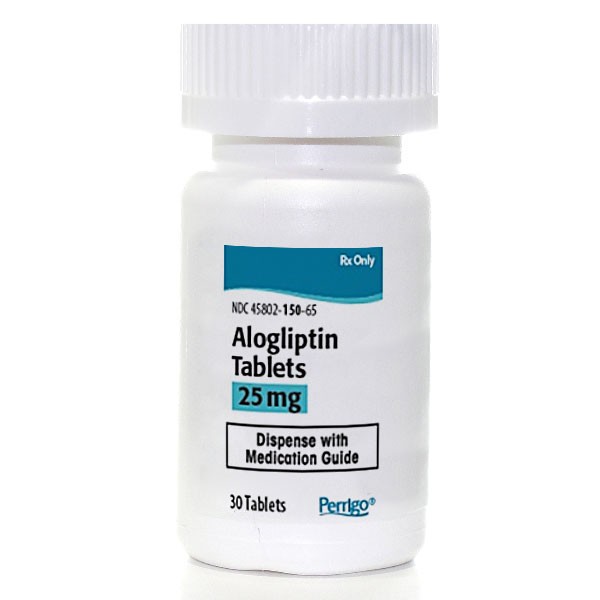
Alogliptin is a medication that is commonly used to manage high blood sugar levels in people with type 2 diabetes. It belongs to a class of drugs called dipeptidyl peptidase-4 (DPP-4) inhibitors, which work by increasing the levels of incretin hormones in the body. Incretin hormones help to regulate blood sugar levels by increasing insulin production and decreasing the amount of glucose released by the liver.
Uses
Alogliptin is primarily used as an adjunct therapy to diet and exercise to improve glycemic control in adults with type 2 diabetes. It can be used as a standalone treatment or in combination with other antidiabetic medications such as metformin or insulin. Alogliptin helps to lower fasting and postprandial (after-meal) blood glucose levels, reducing the risk of complications associated with high blood sugar.
Benefits
Using alogliptin can provide several benefits for individuals with type 2 diabetes. Some of the key advantages of using this medication include:
- Better Blood Sugar Control: Alogliptin helps to regulate blood sugar levels, reducing the risk of hyperglycemia (high blood sugar) and hypoglycemia (low blood sugar).
- Cardiovascular Protection: Studies have suggested that alogliptin may have cardiovascular benefits, reducing the risk of heart attack, stroke, or other cardiovascular events.
- Weight Neutrality: Unlike some other diabetes medications, alogliptin is considered weight neutral, meaning it does not typically cause weight gain or loss.
- Convenience: Alogliptin is available in tablet form, making it easy to incorporate into a daily medication regimen.
Side Effects
As with any medication, alogliptin may cause side effects. While not everyone experiences these side effects, it is important to be aware of them so that you can seek medical assistance if needed. Common side effects of alogliptin may include:
- Headache
- Nasopharyngitis (common cold)
- Upper respiratory tract infection
- Allergic reactions (rash, itching, hives)
Serious side effects are rare but can occur. If you experience any of the following symptoms while taking alogliptin, it is important to seek immediate medical attention:
- Severe joint pain
- Pancreatitis (inflammation of the pancreas)
- Hypoglycemia (low blood sugar)
- Liver problems (yellowing of the skin or eyes, dark urine, abdominal pain)
Warnings
While alogliptin is generally safe and effective for most people with type 2 diabetes, there are certain precautions and warnings to be aware of:
- Allergy: If you have had an allergic reaction to alogliptin or any other DPP-4 inhibitors in the past, you should avoid using this medication.
- Pancreatitis: Alogliptin has been associated with cases of pancreatitis. If you experience severe abdominal pain with or without vomiting, discontinue alogliptin and seek immediate medical attention.
- Hypoglycemia: Alogliptin, when used in combination with other antidiabetic medications, can increase the risk of hypoglycemia. Monitor your blood sugar levels regularly and seek medical help if you experience symptoms of low blood sugar.
- Renal Impairment: Exercise caution when using alogliptin if you have a history of kidney problems or are on dialysis. Dosage adjustment may be necessary.
- Pregnancy and Breastfeeding: The safety of alogliptin during pregnancy and breastfeeding has not been established. Consult your healthcare provider before using this medication if you are pregnant, planning to become pregnant, or breastfeeding.
FAQs (Frequently Asked Questions)
Yes, alogliptin can be used as a standalone treatment or in combination with other antidiabetic medications
No, alogliptin is considered weight neutral and does not typically cause weight gain or loss.
Alogliptin does not cure type 2 diabetes, but it helps to manage blood sugar levels and reduce the risk of complications associated with the disease.
If you miss a dose of alogliptin, take it as soon as you remember. If it is close to the time for your next dose, skip the missed dose and continue with your regular dosing schedule. Do not take a double dose to make up for a missed dose.
Alogliptin should be used with caution in individuals with a history of kidney problems or on dialysis. Dosage adjustment may be necessary, so consult your healthcare provider for appropriate guidance.






