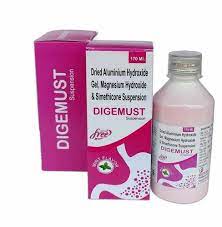
Uses
Aluminum Magnesium Hydroxide is a medication commonly used to treat symptoms of indigestion, heartburn, and acid reflux. It belongs to a group of drugs known as antacids, which work by neutralizing excess stomach acid. This medication can provide relief from symptoms such as bloating, belching, and a burning sensation in the chest or throat.
Benefits
The primary benefit of Aluminum Magnesium Hydroxide is its ability to alleviate the discomfort associated with digestive issues. By neutralizing the acid in the stomach, it helps to reduce the occurrence and severity of heartburn and acid reflux. This medication provides quick relief and can be taken as needed, making it a convenient option for individuals suffering from occasional or mild symptoms.
Side Effects
Like any medication, Aluminum Magnesium Hydroxide can cause side effects in some individuals. Common side effects include constipation, diarrhea, and stomach cramps. These side effects are usually mild and temporary. However, if they persist or worsen, it is advisable to consult a healthcare professional. It is important to note that serious side effects are rare, but allergic reactions such as rash, itching, swelling, severe dizziness, or difficulty breathing may occur. If any of these symptoms occur, immediate medical attention should be sought.
Warnings
While Aluminum Magnesium Hydroxide is generally safe for most individuals, it is important to be aware of certain precautions. It is recommended to inform your healthcare provider of any existing medical conditions, allergies, or medications you are currently taking before starting this medication. This is particularly important if you have kidney problems, as excessive use of Aluminum Magnesium Hydroxide can lead to high levels of magnesium in the blood. In addition, this medication should not be taken for more than two weeks without consulting a doctor.
It is crucial to follow the recommended dosage instructions and not exceed the prescribed amount. Overuse or misuse of Aluminum Magnesium Hydroxide can result in an imbalance of electrolytes in the body, leading to serious complications. It is also important to note that this medication may interact with certain medications, such as antibiotics, thyroid medications, and iron supplements. Therefore, it is advisable to consult a healthcare professional or pharmacist to ensure there are no potential interactions.
FAQs
It is recommended to consult a healthcare professional before taking this medication during pregnancy to assess potential risks and benefits.
The use of this medication in children should be supervised by a healthcare professional, as the dosage may need to be adjusted based on age and weight.
This medication typically provides quick relief within minutes of ingestion, but the duration of relief may vary from person to person.
It is generally safe to take this medication with or without food, but it is advisable to follow the instructions provided by the healthcare professional or on the product label.
This medication is not intended for prolonged use. If symptoms persist for more than two weeks, it is recommended to consult a healthcare professional for further evaluation and appropriate treatment options.






