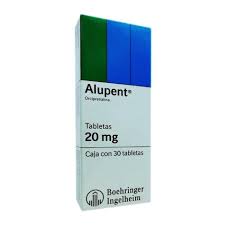
Alupent, also known as metaproterenol, is a medication used to treat respiratory conditions such as asthma, bronchitis, and emphysema. It is a beta-2 agonist that works by relaxing the muscles in the airways, making it easier to breathe. This article will explore the uses, benefits, side effects, and warnings of Alupent.
Uses
Alupent is primarily used to treat breathing problems related to asthma, bronchitis, and emphysema. It is also used to prevent exercise-induced asthma and to relieve bronchospasms caused by allergies. Alupent is a fast-acting medication that can provide relief within minutes of being administered.
Benefits
The main benefit of Alupent is that it can help people with respiratory conditions breathe more easily. It works by relaxing the muscles in the airways, which allows air to flow more freely. This can improve the overall quality of life for people with breathing difficulties and can reduce the frequency and severity of asthma attacks.
Side Effects
Like all medications, Alupent can cause side effects in some people. The most common side effects of Alupent include:
– Nervousness
– Tremors
– Headache
– Dizziness
– Insomnia
– Palpitations
– Dry mouth
– Nausea
– Muscle cramps
More serious side effects of Alupent are rare but can include:
– Chest pain
– Irregular heartbeat
– High blood pressure
– Severe allergic reactions
If you experience any of these more serious side effects, seek medical attention immediately.
Warnings
Alupent is generally considered safe for most people when taken as directed. However, it is important to follow the dosage instructions carefully and to talk to your doctor if you have any concerns or questions. Here are some additional warnings to keep in mind when taking Alupent:
– Do not take Alupent if you are allergic to metaproterenol or any of its ingredients.
– Tell your doctor if you have any heart or blood vessel problems, high blood pressure, diabetes, or thyroid problems, as Alupent may not be safe for you.
– Do not exceed the recommended dosage of Alupent, as this can lead to serious side effects.
– Do not use Alupent as a rescue inhaler unless directed to do so by your doctor.
– Alupent can interact with other medications, so be sure to tell your doctor about all medications, supplements, and herbs you are taking.
FAQs
Alupent can be used to treat breathing problems related to emphysema, which is a type of COPD. However, it is not typically used to treat other types of COPD.
The safety of Alupent for pregnant women has not been established. If you are pregnant or planning to become pregnant, talk to your doctor before taking Alupent.
Alupent can be used by children under the age of 12, but the dosage will need to be adjusted based on the child’s weight.
Alupent is typically administered via inhaler or nebulizer. The dosage and frequency of administration will depend on the specific condition being treated and the individual patient.
Alupent is not typically used for long-term maintenance of respiratory conditions. Instead, it is usually used as a quick-relief medication to treat acute breathing problems. Your doctor may prescribe other medications for long-term management of your respiratory condition.






