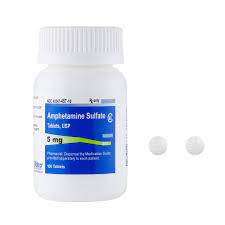
Uses:
Amphetamine is a medication commonly prescribed to treat attention deficit hyperactivity disorder (ADHD) and narcolepsy. It belongs to a class of drugs known as central nervous system (CNS) stimulants. By altering the chemicals in the brain, amphetamine helps increase focus, concentration, and control over impulsivity in individuals with ADHD. Additionally, it can help manage the excessive daytime sleepiness associated with narcolepsy, a sleep disorder characterized by sudden attacks of sleep.
Benefits:
Amphetamine has been proven to be effective in improving symptoms associated with ADHD, including inattentiveness, hyperactivity, and impulsivity. It aids in enhancing cognitive abilities, such as memory and attention span, providing individuals with better academic and occupational performance. Moreover, it helps increase wakefulness and reduce episodes of falling asleep during the day for those diagnosed with narcolepsy.
Side Effects:
While amphetamine can provide numerous benefits, it may also present some side effects. Common side effects include loss of appetite, weight loss, dry mouth, trouble sleeping, irritability, and nausea. These side effects are usually temporary and tend to diminish as the body adjusts to the medication. However, if these symptoms persist or worsen, it is crucial to consult a healthcare professional for further guidance. It is important to note that everyone may react differently to medication, and some individuals may experience more severe side effects.
Warnings:
Before starting amphetamine treatment, it is essential to consider certain precautions and discuss them with a medical professional. Individuals with a history of heart conditions, high blood pressure, glaucoma, mental/mood disorders, or substance abuse should inform their healthcare provider. Amphetamine may interact with other medications, herbal products, or supplements, which could lead to adverse effects. Pregnant women, as well as those planning to become pregnant, should seek medical advice regarding the use of amphetamine. Moreover, amphetamine may impair one’s ability to drive or operate machinery, so it is important to evaluate individual reactions before engaging in such activities.
FAQs:
No, amphetamine should not be used for weight loss. It is a prescription medication primarily prescribed for ADHD and narcolepsy treatment. Usage for any other purpose should be avoided due to potential health risks.
The effects of amphetamine typically start within 30 to 60 minutes after consumption. However, the exact duration may vary among individuals, and it may take a few weeks to reach optimal therapeutic levels.
Amphetamine can be habit-forming if misused or taken in higher doses than prescribed. It is crucial to follow the dosage instructions provided by your healthcare professional and avoid sharing the medication with others.
If you miss a dose of amphetamine, take it as soon as you remember. However, if it is close to the time of the next scheduled dose, skip the missed dose and resume your regular dosing schedule. Do not double the dose to make up for the missed one.
It is advisable to avoid alcohol while taking amphetamine. Alcohol can intensify certain side effects of the medication, and the combination may lead to adverse effects on your health. Consult your healthcare professional for personalized advice.






