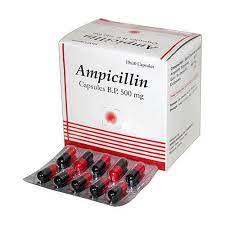
Ampicillin is a commonly prescribed antibiotic belonging to the penicillin class of drugs. It is used to treat a wide range of bacterial infections. Ampicillin is available in both oral and injectable forms and works by stopping the growth of bacteria in the body.
Uses
Ampicillin is primarily prescribed to treat various types of infections caused by susceptible bacteria. Some common conditions where ampicillin can be used include:
- Respiratory tract infections, such as bronchitis and pneumonia
- Urinary tract infections
- Ear, nose, and throat infections
- Skin and soft tissue infections
- Gastrointestinal infections, including bacterial diarrhea
- Meningitis
It is important to note that ampicillin is not effective against viral infections, such as the common cold or flu.
Benefits
Ampicillin provides numerous benefits when used correctly to treat bacterial infections. Some of the key advantages of using ampicillin include:
- Efficiently treats bacterial infections by eliminating the causative bacteria.
- Suitable for a range of age groups, including children and adults.
- Available in both oral and injectable forms, making it convenient for various administration routes.
- Cost-effective in comparison to other antibiotics in the same class.
Side Effects
While ampicillin is generally safe and well-tolerated, some individuals may experience side effects. Common side effects associated with ampicillin use may include:
- Nausea and vomiting
- Diarrhea
- Abdominal pain or discomfort
- Skin rash or itching
- Allergic reactions, such as swelling and difficulty breathing
If any side effects persist or worsen, it is important to consult a healthcare professional for further advice.
Warnings
Before using ampicillin, individuals should be aware of certain precautions and warnings:
- Allergic reactions: If you have a history of allergic reactions to penicillins or cephalosporins, inform your healthcare provider to avoid potential allergic responses.
- Drug interactions: Ampicillin may interact with other medications, such as certain oral contraceptives or blood thinners. Notify your healthcare professional about all the medications you are taking.
- Resistance and effectiveness: Prolonged or inappropriate use of ampicillin can lead to bacterial resistance, reducing its effectiveness. Follow the prescribed dosage and duration as instructed by your healthcare provider.
- Pregnancy and breastfeeding: Inform your doctor if you are pregnant, planning to become pregnant, or breastfeeding, as ampicillin may have potential risks.
- Underlying medical conditions: If you have any pre-existing medical conditions, such as liver or kidney disease, it is important to discuss this with your healthcare provider, as certain adjustments may be necessary.
Frequently Asked Questions (FAQs)
No, ampicillin is only effective against bacterial infections and will not work for viral infections.
It is generally recommended to avoid alcohol while taking antibiotics, including ampicillin, as it may reduce its effectiveness and increase the risk of side effects.
The onset of action varies depending on the type and severity of the infection. It is important to complete the full course of treatment as prescribed to ensure effective eradication of the bacteria.
If you forget a dose, take it as soon as you remember. However, if it is close to the next scheduled dose, skip the missed dose. Do not double the dose to compensate for a missed one.
No, it is crucial to complete the full course of treatment, even if symptoms improve. Stopping the medication prematurely may allow the bacteria to return or result in antibiotic resistance.