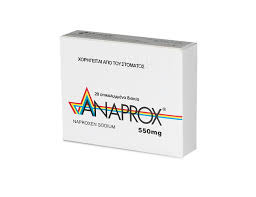
Anaprox is a medication that belongs to the category of nonsteroidal anti-inflammatory drugs (NSAIDs). It is commonly used in relieving pain, reducing inflammation, and managing fever.
Originating from the family of proprionic acid derivatives, Anaprox is a potent and effective pain reliever used to treat conditions such as menstrual cramps, back pain, fever, and acute musculoskeletal pain. Its therapeutic advantage is well-established, making the drug one of the most commonly prescribed medicines in the world.
This article discusses in detail the uses, benefits, side effects, and warnings associated with Anaprox.
Uses
Anaprox is primarily used to treat inflammation and acute pain. It works by inhibiting the production of prostaglandins, which are responsible for causing inflammation, pain, and fever. It is also used to treat menstrual cramps and other chronic conditions like rheumatoid arthritis, osteoarthritis, gout, and ankylosing spondylitis.
Benefits
Some of the significant benefits of using Anaprox include:
1. Pain relief: Anaprox is an excellent pain reliever that can effectively manage pain caused by various conditions such as menstrual pain, arthritis, headache, and back pain.
2. Inflammation reduction: The drug is ideal for reducing inflammation, making it an effective treatment for conditions such as rheumatoid arthritis and osteoarthritis.
3. Relief of fever: Anaprox has fever-reducing properties, making it an excellent option for fever management.
Side Effects
Like any other medication, Anaprox has potential side effects that may affect some individuals. Some of the most common side effects of Anaprox are:
1. Gastrointestinal problems: Anaprox may cause gastrointestinal side effects such as stomach pain, nausea, vomiting, and diarrhea.
2. Dizziness and headache: The drug may cause dizziness, headache, and drowsiness, especially when taken in high doses.
3. Hypersensitive skin reactions: Skin rash, itching, and hives are some of the hypersensitive skin reactions associated with Anaprox.
4. Increased blood pressure: Anaprox has been known to cause an increase in blood pressure in some individuals.
Warnings
It is crucial to take the necessary precautions when using Anaprox. Some of the most critical warnings include:
1. Not suitable for all individuals: Anaprox is not suitable for individuals with a history of allergies to NSAIDs or any of its ingredients.
2. Risk of heart attack and stroke: Anaprox may increase the risk of heart attack and stroke, especially when taken for extended periods.
3. Pregnancy and breastfeeding: Anaprox is not recommended for use during pregnancy, and breastfeeding mothers should consult their doctor before taking the drug.
4. Other medical conditions: Individuals with existing conditions such as liver problems, asthma, and bleeding disorders should seek medical advice before using Anaprox.
FAQs
Anaprox should be taken for the shortest possible time to reduce potential side effects. Always consult your doctor for instructions on how long you should take the medication.
It is not recommended to take alcohol while using Anaprox as it can enhance the risk of stomach bleeding.
It is essential to inform your doctor about any other medications you are taking, including over-the-counter medicines, vitamins, and herbal supplements, to avoid negative interactions.
No, Anaprox is not addictive.
If you miss a dose of Anaprox, take it as soon as you remember. However, if it is almost time for your next dose, skip the missed dose and continue with your regular dosing schedule. Do not take a double dose to make up for the missed one.
In conclusion, Anaprox is a potent medication used to manage pain, inflammation, and fever. It is essential to take necessary precautions and seek medical advice before using the medication. The drug has potential side effects and warnings that individuals must be aware of to minimize the risk of complications.