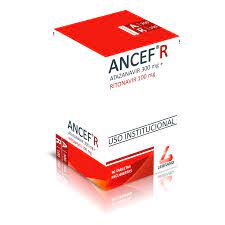
Antibiotics play a crucial role in treating bacterial infections, and one such potent medication is Ancef. This article explores the uses, benefits, side effects, and warnings associated with Ancef, providing valuable information for users and healthcare professionals alike.
Uses
Ancef, with its generic name cefazolin sodium, is an antibiotic used to treat a wide range of bacterial infections. It belongs to the class of medications known as cephalosporins, which work by inhibiting the growth of bacteria and preventing their spread in the body. Some common conditions where Ancef is often prescribed include:
- Urinary tract infections
- Skin and soft tissue infections
- Respiratory tract infections
- Bloodstream infections
- Bone and joint infections
Benefits
Ancef provides several benefits in effectively combating bacterial infections. It effectively kills bacteria and helps alleviate symptoms of infection. By eradicating the infection, Ancef aids in reducing the risk of complications and allows the body to heal faster. A major advantage of Ancef is its versatility, as it can be given intravenously or through intramuscular injections.
Side Effects
While Ancef is generally safe and well-tolerated, like any medication, it can cause side effects in some individuals. Common side effects may include:
- Nausea and vomiting
- Diarrhea
- Headache
- Skin rash or itching
- Stomach pain
In rare cases, more severe side effects may occur, such as:
- Allergic reactions with symptoms like hives, difficulty breathing, or swelling of the face, lips, tongue, or throat.
- Severe diarrhea, which may be a sign of a Clostridium difficile (C. diff) infection.
- Yellowing of the skin or eyes (jaundice)
- Unusual bleeding or bruising
- Seizures
If you experience any of these severe side effects, seek immediate medical attention.
Warnings
Before using Ancef, it is important to understand certain precautions and warnings associated with this medication:
- Allergies: Inform your healthcare provider of any allergies you may have, particularly to cephalosporins or penicillin antibiotics, as there may be cross-reactivity.
- Kidney function: If you have any kidney disease or impairment, your doctor will adjust the dosage of Ancef accordingly.
- Pregnancy and breastfeeding: While Ancef is generally considered safe for pregnant and breastfeeding women, consult your doctor before using it to evaluate potential risks.
- Drug interactions: Certain medications, such as probenecid and loop diuretics, may interact with Ancef. Always inform your healthcare provider about any other medications you are taking.
- Preventing infections: To reduce the risk of developing antibiotic-resistant infections, it is important to strictly follow the prescribed dosage and complete the entire course of Ancef treatment.
Frequently Aske
Yes, Ancef may interact with certain medications, such as probenecid and loop diuretics. Always inform your healthcare provider about all medications you are taking to avoid potential interactions.
Remember, this article serves as a guide and should not replace professional medical advice. If you have any concerns or specific questions about Ancef, consult your healthcare provider before starting or altering any treatment.
(FAQs)
No, Ancef is solely effective against bacterial infections and has no impact on viral infections like the common cold or flu.
It is generally safe to consume alcohol in moderation while taking Ancef. However, excessive alcohol consumption can impair your immune system and hinder the healing process. Consult your doctor for personalized advice.
Ancef typically starts working within a few hours of administration, depending on the severity of the infection. However, it is vital to complete the entire course of treatment as prescribed by your healthcare professional, even if symptoms improve.
Yes, Ancef can cause allergic reactions in some individuals. If you experience symptoms like hives, difficulty breathing, or swelling after taking Ancef, seek immediate medical attention.






