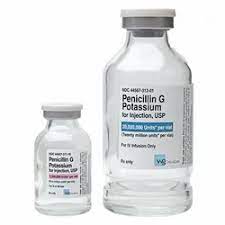
Penicillin G Sodium Injection is a medication used to treat various bacterial infections. It belongs to the class of drugs called antibiotics and works by stopping the growth of bacteria. This article will discuss the uses, benefits, side effects, and warnings associated with Penicillin G Sodium Injection.
Uses
Penicillin G Sodium Injection is primarily used to treat infections caused by susceptible strains of bacteria. It is effective against a wide range of bacteria, including Streptococcus, Staphylococcus, and Pneumococcus. Some common infections that can be treated with this medication include:
1. Respiratory tract infections: Penicillin G Sodium Injection can be used to treat pneumonia, bronchitis, and other respiratory infections caused by bacteria.
2. Skin and soft tissue infections: It is effective in treating cellulitis, impetigo, and other skin infections caused by bacteria.
3. Bone and joint infections: Penicillin G Sodium Injection can be used to treat osteomyelitis and septic arthritis.
4. Endocarditis: This medication is often used in combination with other antibiotics to treat bacterial infections of the heart valves.
5. Bacterial meningitis: It is an essential component of the treatment regimen for meningitis caused by susceptible bacteria.
Benefits
The use of Penicillin G Sodium Injection has several benefits. Some of the key advantages include:
1. Effective against a wide range of bacteria: Penicillin G Sodium Injection is active against many types of bacteria, making it useful in treating a variety of infections.
2. Well-established efficacy: Penicillin has been used for decades and has proven to be effective in treating bacterial infections.
3. Quick onset of action: Intravenous administration of Penicillin G Sodium Injection allows for rapid absorption and distribution to the infection site, leading to a quick onset of action.
4. Minimal drug resistance: Compared to other antibiotics, Penicillin G Sodium Injection has a lower incidence of bacterial resistance, making it an effective treatment option.
5. Cost-effective: Penicillin G Sodium Injection is relatively inexpensive compared to newer antibiotics, making it an affordable option for patients.
Side Effects
Like any medication, Penicillin G Sodium Injection can cause side effects. Common side effects may include:
1. Allergic reactions: Some individuals may experience mild to severe allergic reactions, including rash, itching, swelling, or difficulty breathing. It is important to seek immediate medical attention if any allergic reactions occur.
2. Gastrointestinal disturbances: Nausea, vomiting, diarrhea, and abdominal pain are possible side effects of Penicillin G Sodium Injection. These symptoms are usually mild and resolve on their own.
3. Injection site reactions: Pain, redness, and swelling at the injection site may occur but are typically temporary and not serious.
4. Superinfections: The use of Penicillin G Sodium Injection may lead to the growth of resistant bacteria or fungi, resulting in a secondary infection.
5. Neurological effects: In rare cases, high doses of Penicillin G Sodium Injection may cause neurological side effects such as seizures or confusion.
Warnings
There are several important warnings associated with Penicillin G Sodium Injection. These include:
1. Allergy and cross-reactivity: Individuals with a known allergy to penicillin or other beta-lactam antibiotics should avoid Penicillin G Sodium Injection. Cross-reactivity with other antibiotics in the same class may occur.
2. Monitoring for allergic reactions: Patients receiving Penicillin G Sodium Injection should be closely monitored for any signs of allergic reactions. Immediate medical attention should be sought if any symptoms occur.
3. Renal impairment: Dosage adjustment may be required for patients with kidney problems to prevent drug accumulation and potential toxicity.
4. Pregnancy and breastfeeding: Penicillin G Sodium Injection is generally considered safe during pregnancy and breastfeeding. However, it is important to consult with a healthcare professional before using this medication.
5. Drug interactions: Penicillin G Sodium Injection may interact with other medications, including oral contraceptives and certain anticoagulants. It is crucial to inform your healthcare provider about any other medications you are taking.
conclusion
In conclusion, Penicillin G Sodium Injection is a valuable antibiotic used to treat various bacterial infections. Understanding its uses, benefits, side effects, and warnings can help patients make informed decisions and ensure safe and effective treatment. Always consult with a healthcare professional for personalized advice regarding your specific condition.
FAQs
Yes, Penicillin G Sodium Injection can be administered to children, but the dosage will vary based on the child’s weight and age. Consult with a pediatrician for appropriate dosing.
The onset of action of Penicillin G Sodium Injection varies depending on the type and severity of the infection. Improvement is usually observed within a few days of starting treatment.
It is generally safe to consume alcohol while on Penicillin G Sodium Injection. However, excessive alcohol consumption may interfere with the body’s ability to fight the infection.
Long-term side effects of Penicillin G Sodium Injection are rare. However, prolonged use of antibiotics can disrupt the natural balance of bacteria in the body, potentially leading to secondary infections or antibiotic resistance.
It is essential to complete the full course of Penicillin G Sodium Injection as prescribed by your healthcare provider, even if your symptoms improve. Stopping the medication prematurely may result in incomplete eradication of the infection and potential relapse.






