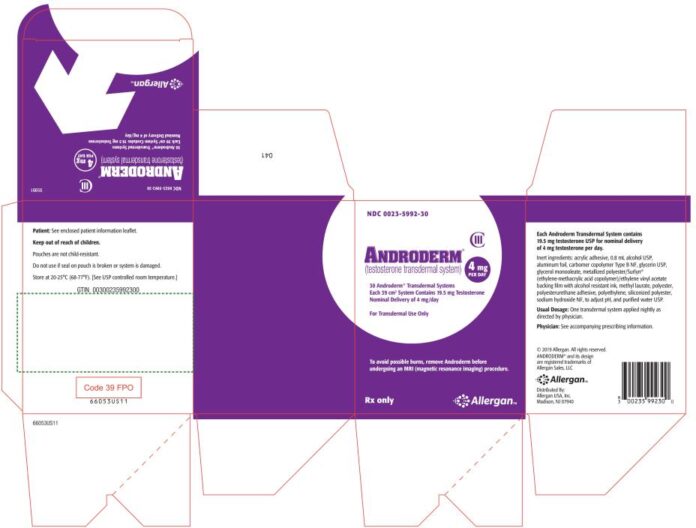
Androderm Transdermal is a medication that is used to treat low testosterone levels in men. This medication is applied directly to the skin, where it is absorbed into the bloodstream. It is important to understand the uses, benefits, side effects, and warnings associated with this medication before starting treatment.
Uses
Androderm Transdermal is primarily used to treat low testosterone levels in men, also known as hypogonadism. Testosterone is a hormone that is responsible for the development and maintenance of male sexual characteristics. When testosterone levels are low, it can lead to a variety of symptoms including decreased energy, decreased libido, and erectile dysfunction.
By applying Androderm Transdermal, it helps to increase testosterone levels in the body, which can alleviate these symptoms and improve overall quality of life. It is important to note that this medication should only be used in men who have been diagnosed with low testosterone levels by a healthcare professional.
Benefits
The main benefit of using Androderm Transdermal is the improvement in symptoms associated with low testosterone levels. By increasing testosterone levels, men may experience increased energy, improved mood, increased libido, and improved sexual function. These benefits can greatly enhance the quality of life for individuals suffering from low testosterone.
In addition to these benefits, Androderm Transdermal is also convenient to use. It comes in the form of a patch that is applied to the skin and needs to be replaced every 24 hours. This eliminates the need for daily injections or pills, making it a more user-friendly option for many patients.
Side Effects
While Androderm Transdermal can be highly beneficial, it is important to be aware of potential side effects. Common side effects of this medication may include skin irritation at the application site, itching, and redness. These side effects are typically mild and resolve on their own.
However, there are some more serious side effects that may occur. These can include an allergic reaction to the medication, such as rash, itching, swelling, severe dizziness, or trouble breathing. It is important to seek medical attention if any of these symptoms occur.
In rare cases, Androderm Transdermal may also cause an increase in red blood cell count, which can lead to a condition known as polycythemia. This can increase the risk of blood clots, stroke, or heart attack. It is important to monitor blood counts regularly while using this medication to prevent any complications.
Warnings
Before starting treatment with Androderm Transdermal, it is important to inform your healthcare provider about any pre-existing medical conditions or medications you are taking. This medication may not be suitable for individuals with certain conditions, such as prostate cancer or breast cancer.
Androderm Transdermal should not be used by women, as it can cause virilization or masculinization effects. It should also not be used by children or adolescents, as it may interfere with normal growth and development.
It is important to follow the dosing instructions provided by your healthcare provider and not exceed the recommended dosage. Using more than the prescribed amount can increase the risk of side effects.
If you experience any new or worsening symptoms while using Androderm Transdermal, it is important to contact your healthcare provider. They can assess your symptoms and determine if any adjustments to your treatment plan are necessary.
FAQs
No, Androderm Transdermal should not be used by women as it can cause masculinization effects.
The patch should be replaced every 24 hours.
No, this medication should not be used in children as it may interfere with normal growth and development.
If you experience skin irritation, itching, or redness, you can try applying the patch to a different area of skin. If the symptoms persist or worsen, contact your healthcare provider.
While the risks are generally low, long-term use of Androderm Transdermal may increase the risk of polycythemia, which can lead to blood clots, stroke, or heart attack. Regular monitoring of blood counts is important to prevent complications.






