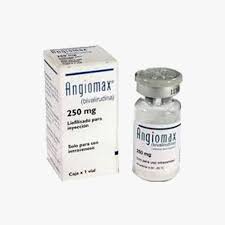
Angiomax is a medication used in the hospital setting to prevent blood clots during certain procedures, such as angioplasty or heart surgery. It is also known as bivalirudin, which is a type of direct thrombin inhibitor that works by blocking the effects of thrombin, a protein in the blood that is essential for clot formation. This article will discuss the uses, benefits, side effects, and warnings of Angiomax.
Uses
Angiomax is primarily used to prevent blood clots during invasive heart procedures, such as angioplasty and stent placement, and also during heart bypass surgery. It is given as an intravenous injection and is only used in a hospital setting under the supervision of medical professionals.
Benefits
Angiomax is an effective medication for preventing blood clots during heart procedures. It has been shown to reduce the risk of bleeding and the need for blood transfusions during these procedures, which can lead to faster recovery time and improved outcomes. In addition, because it is a direct thrombin inhibitor, it is less likely to cause certain side effects than other types of anticoagulants, such as heparin.
Side Effects
As with any medication, Angiomax can cause side effects. The most common side effects include bleeding, bruising, and pain at the injection site. Other possible side effects include a drop in blood pressure, nausea, and headache. In rare cases, severe allergic reactions can occur, causing difficulty breathing and swelling of the face, lips, tongue, or throat. If you experience any of these symptoms, seek medical attention immediately.
Warnings
Before taking Angiomax, it is important to inform your doctor of any allergies, medical conditions, or medications you are taking. Angiomax should not be taken by people who have active bleeding or are allergic to bivalirudin. It should be used with caution in people with kidney or liver disease, as well as in pregnant or breastfeeding women.
FAQs
No, Angiomax is only available in a hospital setting and must be administered by a medical professional.
No, Angiomax is only approved for use during certain heart procedures and should not be used for other conditions.
Angiomax is given as an intravenous injection, usually through a vein in the arm.
No, there are no dietary restrictions when taking Angiomax, but it is important to stay well hydrated to prevent dehydration, which can increase the risk of blood clots.
In conclusion, Angiomax is a medication used to prevent blood clots during certain heart procedures. It is an effective medication with potential benefits such as reducing bleeding and the need for blood transfusions during these procedures. However, it can also cause side effects, such as bleeding, bruising, and pain, and should not be taken by people who have active bleeding or are allergic to bivalirudin. Always consult your doctor before taking any medication and follow their directions closely.






