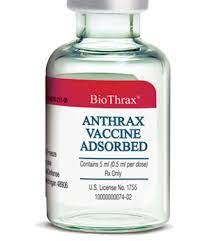
Anthax Vaccine Intramuscular is a medication used for the prevention of anthrax infection in individuals who may be at risk. It contains a weakened form of the bacteria that causes anthrax and stimulates the body’s immune response to produce antibodies against the infection. This article provides an overview of the uses, benefits, side effects, and warnings associated with Anthax Vaccine Intramuscular.
Uses
Anthax Vaccine Intramuscular is primarily used as a preventive measure against anthrax infection. It is administered to individuals who are at high risk of exposure to anthrax, such as military personnel, laboratory workers handling anthrax samples, and individuals involved in the production or processing of animal products.
The vaccine works by preparing the body’s immune system to recognize and defend against anthrax bacteria. It helps the body produce protective antibodies that can prevent the bacteria from causing an infection if exposed.
Benefits
The main benefit of Anthax Vaccine Intramuscular is its ability to protect individuals from anthrax infection. Anthrax is a potentially life-threatening bacterial infection that can affect the skin, lungs, or gastrointestinal tract. By receiving the vaccine, individuals can significantly reduce their risk of developing the disease.
Moreover, Anthax Vaccine Intramuscular can provide long-lasting protection against anthrax. It stimulates the immune system to produce a memory response, which means that if an individual is exposed to anthrax in the future, their immune system will be able to respond more rapidly and effectively to prevent the infection from spreading.
Side Effects
While Anthax Vaccine Intramuscular is generally safe and well-tolerated, it may cause some side effects. Common side effects include:
- Soreness, redness, or swelling at the injection site
- Headache
- Fatigue
- Muscle aches
- Low-grade fever
These side effects are usually mild and resolve on their own within a few days. However, if they persist or worsen, it is advisable to seek medical attention.
Warnings
Before receiving Anthax Vaccine Intramuscular, it is important to consider the following warnings:
- Individuals who have had a severe allergic reaction to a previous dose of Anthax Vaccine Intramuscular should not receive further doses.
- If an individual is currently ill or has a fever, it is advisable to postpone the vaccination until they have recovered.
- Pregnant women should consult with their healthcare provider before receiving Anthax Vaccine Intramuscular.
- Individuals with weakened immune systems, such as those undergoing chemotherapy or with HIV/AIDS, should discuss the risks and benefits of the vaccine with their healthcare provider.
It is important to follow the recommended vaccination schedule and complete the full course of Anthax Vaccine Intramuscular to ensure optimal protection against anthrax infection.
FAQs
Anthax Vaccine Intramuscular is highly effective in preventing anthrax infection. It stimulates the immune system to produce antibodies that can provide long-lasting protection against the bacteria.
No, Anthax Vaccine Intramuscular contains a weakened form of the bacteria that cannot cause anthrax infection. It is designed to stimulate the immune system without causing the disease.
Serious side effects from Anthax Vaccine Intramuscular are rare. However, allergic reactions can occur in some individuals. If you experience difficulty breathing, swelling of the face or throat, or a severe rash after receiving the vaccine, seek immediate medical attention.
The safety and efficacy of Anthax Vaccine Intramuscular in children have not been established. It is primarily recommended for adults who are at high risk of anthrax exposure.
Anthax Vaccine Intramuscular provides protection for at least one year after the initial series of doses. Booster doses may be required to maintain long-term immunity, depending on an individual’s risk of exposure to anthrax.