Uses
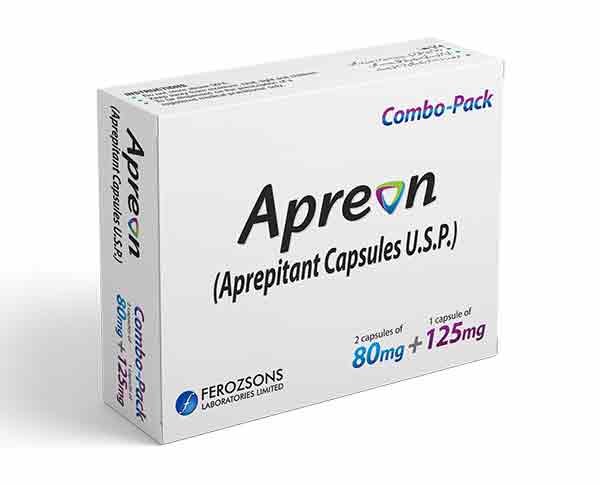
Aprepitant is a medication used to prevent nausea and vomiting caused by chemotherapy or surgery. It belongs to a class of drugs called antiemetics, which work by blocking the signals in the brain that trigger nausea and vomiting. Aprepitant is usually prescribed in combination with other antiemetic medications to provide effective relief from these side effects.
Benefits
Aprepitant has proven to be highly effective in preventing chemotherapy-induced nausea and vomiting. By blocking specific receptors in the brain, it reduces the sensation of nausea and prevents vomiting, allowing patients to tolerate their treatment better. This medication has significantly improved the quality of life for cancer patients undergoing chemotherapy and surgery.
Side Effects
Like any medication, aprepitant carries the risk of side effects; however, not everyone experiences them. Common side effects include dizziness, weakness, fatigue, diarrhea, constipation, loss of appetite, and changes in taste perception. If any of these side effects persist or worsen, it is essential to contact your healthcare provider.
In some cases, more severe side effects may occur, such as allergic reactions (rash, itching, swelling, severe dizziness), mental/mood changes (anxiety, depression), liver problems (yellowing of the skin/eyes, dark urine, persistent nausea/vomiting), and signs of dehydration (extreme thirst, very dry mouth, decreased urination). It is crucial to seek immediate medical attention if any of these severe side effects develop.
Warnings
Before taking aprepitant, inform your doctor about any allergies, medical conditions, and medications you are currently using, including herbal supplements and over-the-counter drugs. Aprepitant may interact with other medications, leading to less effective outcomes or increased side effects.
Do not take aprepitant if you are pregnant or planning to become pregnant. It is unknown if this medication can harm an unborn baby. Additionally, discuss with your doctor the risks and benefits if you are breastfeeding, as aprepitant may pass into breast milk.
Aprepitant may cause dizziness or drowsiness. Avoid driving, operating machinery, or engaging in activities that require focus until you know how this medication affects you. Consuming alcohol may also worsen these effects.
FAQs
Aprepitant is most effective when used in combination with other antiemetics as prescribed by your healthcare provider. It is not recommended to use aprepitant alone.
Aprepitant is available as a capsule and should be taken exactly as prescribed. Typically, it is taken orally one hour before chemotherapy or surgery, with or without food, for the first few days of treatment.
If you miss a dose, take it as soon as you remember. However, if it is near the time for your next dose, skip the missed dose and resume your regular dosing schedule.
Yes, aprepitant can interact with certain medications, including warfarin, dexamethasone, and some birth control pills. It is important to inform your doctor about all the medications you are taking to prevent potential interactions.
Aprepitant does not have any specific dietary restrictions; however, it is advisable to avoid consuming excessive amounts of alcohol as it may worsen the dizziness or drowsiness caused by the medication.
Always consult your healthcare provider for personalized advice regarding the use of aprepitant and its potential side effects.






